Investing in new print production equipment is a major milestone that directly influences operational speed, product quality, and long-term profitability. Whether expanding an existing pressroom or equipping a brand-new facility, acquiring a modern printing machine requires evaluating capacity, client demands, and financial return. Understanding the technical landscape—specifically how different equipment types operate—ensures you select the machinery best aligned with your commercial goals.
The Equipment Landscape: Presses and Printers
When shopping for new commercial equipment, it helps to recognize that printing machinery generally divides into two main categories: presses and printers. While both generate high-quality printed materials, they utilize distinct mechanisms and serve different operational needs on the shop floor.
Commercial Presses
Commercial presses are industrial-scale machines built for high-volume production runs. In traditional offset printing, liquid ink transfers from a metal plate to a flexible rubber blanket before contacting the paper. These machines excel at continuous runs, offering exceptional per-unit efficiency and color accuracy on large orders of books, packaging, and marketing collateral.
Commercial printers rely on modern digital printing technology. These machines transfer electronic art files directly to paper using toner or specialized ink, bypassing the need for physical plates or chemical dampening systems. They allow print shops to execute short-run jobs, rapid turnarounds, and custom projects with minimal prepress labor.
Key Factors When Buying a Printing Machine
Evaluating a new machinery purchase involves looking beyond equipment classification to assess how specific features align with your daily workload. Here are the core factors to examine before making a purchase decision:
1. Workflow and Prepress Setup
When evaluating prepress requirements or starting a printing business, calculating preparation time is critical. Presses require prepress work such as platemaking, ink density adjustment, and roller alignment before production begins. Printers allow operators to send digital files straight to the machine, making them ready to output sheets almost instantly.
2. Substrate Capabilities and Media Weights
Different printing machines handle distinct ranges of paper stock and specialty substrates. Industrial presses seamlessly handle heavy cardstock, corrugated board, textured cover paper, and non-porous sheets. Production printers offer great versatility across standard coated paper, synthetic labels, and specialty media, though stock thickness limits should be tested during equipment demonstrations.
3. Job Volume and Production Efficiency
Matching equipment capacity to expected run lengths prevents costly production bottlenecks. High-volume runs maximize unit-cost savings when produced on a press, as setup costs spread across thousands of copies. Smaller, on-demand jobs remain most economical when produced on a production printer, where setup overhead is virtually non-existent.
4. Variable Data Capabilities
Determining whether your customer base demands individualized printing influences machine selection. Production printers natively support variable text, unique barcoding, and personalized graphics on every printed sheet. Fixed-plate presses deliver uniform output across an entire run, making them ideal for static designs where every copy must remain identical.
5. Total Cost of Ownership (TCO)
Evaluating a new machinery purchase involves factoring in both initial capital expenditure and ongoing operating expenses. Beyond the sticker price, account for plate infrastructure, consumable supplies, scheduled maintenance contracts, power requirements, and floor space footprint.
Selecting the ideal equipment requires aligning machine capabilities with your daily job mix, target turnarounds, and long-term growth objectives. By carefully examining setup workflows, substrate limits, and total operating costs across both presses and printers, print providers can invest with confidence and build a strong foundation for future success.
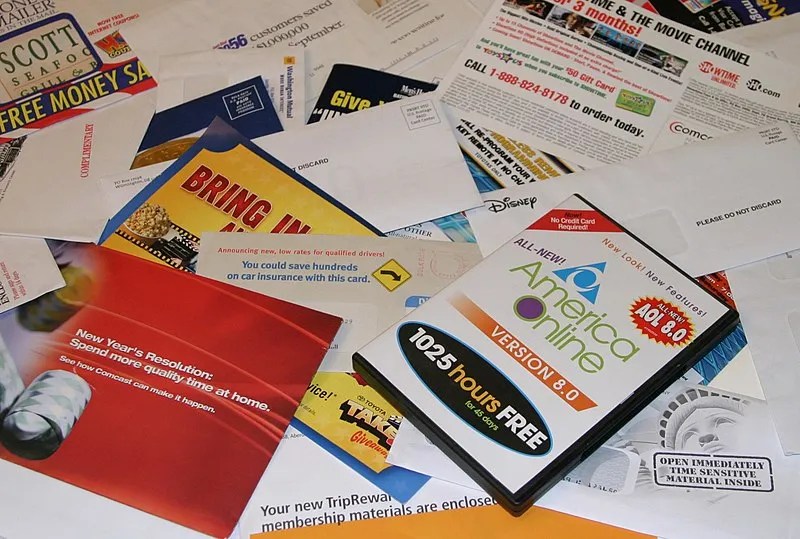
Businesses have more marketing options today than ever before. Digital platforms offer speed, reach, and detailed customer data. However, printed materials still play an important role in many marketing campaigns.
Print marketing gives businesses something customers can physically see and handle. A well-designed brochure can stay on a desk for weeks. A product catalog can remain useful throughout an entire sales cycle.
However, simply printing promotional materials does not guarantee good results. Businesses need a clear strategy behind every printed piece. They must understand their audience, message, distribution method, and goals.
Different print marketing strategies can serve different purposes. Some strategies focus on brand awareness, while others encourage direct customer action. Some support sales teams, while others attract people to physical locations.
The key is choosing the right approach for each marketing goal. Businesses can also combine several strategies to create stronger campaigns.
What Is Print Marketing?
Print marketing uses printed materials to promote a company, product, service, event, or message. It covers many materials and production methods used to reach customers. It can target existing customers, potential buyers, business partners, or local communities. It can also support broader advertising campaigns across several channels.
Unlike online advertising, printed marketing creates a physical connection with the audience. Customers can hold, read, display, or save the material. This physical quality can help a brand remain memorable. It can also works across many settings. Businesses can distribute materials through direct mail, retail locations, trade shows, sales meetings, and community events.
The strategy behind the printed material determines its effectiveness. A flyer designed for a local sale needs a different approach from a product catalog. A business card also serves a different purpose from a large outdoor banner.
Therefore, businesses should start with their marketing goal before choosing a printed product.
Why Print Marketing Still Matters
Digital marketing has changed the advertising landscape, but print remains useful. Printed materials can attract attention without competing directly with online content. Customers encounter countless digital advertisements every day. Many scroll past these advertisements without reading them. Printed materials offer a different experience because they require physical interaction.
Print can also reinforce credibility. A professionally produced brochure or catalog can create a strong first impression. High-quality paper and finishing can further improve the customer’s experience.
Printed materials can also remain visible for longer periods. A calendar can stay on a wall for an entire year. A catalog can remain in an office until a customer needs product information.
Print also works well with digital campaigns. Businesses can add QR codes, website addresses, and social media information to printed materials. Customers can then move between physical and digital channels.
This combination allows businesses to use print for attention and digital channels for further engagement.
Understanding Different Marketing Print Strategies
Different marketing goals require different marketing approaches. Businesses should select a strategy based on their audience, message, budget, and desired action.
Direct Mail Marketing
Direct mail sends printed marketing materials directly to customers or prospects. This strategy can target specific homes, businesses, or customer groups. Companies can use postcards, letters, brochures, catalogs, and promotional pieces. Direct mail works especially well when businesses have a defined customer list.
Personalization can also improve the experience. Businesses can tailor offers, messages, and product information to specific customer groups. A strong direct mail campaign should have a clear purpose. Customers should quickly understand the offer and the action they should take.
Tracking methods can also measure campaign results. Businesses can use unique discount codes, QR codes, landing pages, or response cards.
Brochure Marketing
Brochures provide more information than many other promotional materials. They work well when customers need details before making a decision.
Businesses can use brochures to explain services, introduce products, or describe company capabilities. They can also use them during sales meetings and customer visits.
The design should guide readers through the information. Clear headings, short sections, useful images, and strong calls to action improve readability.
Businesses should avoid filling every available space with text. Too much information can make a brochure difficult to read.
A brochure should answer important customer questions without overwhelming the reader.
Catalog Marketing
Catalogs provide detailed information about multiple products or services. They remain useful for manufacturers, distributors, retailers, and business suppliers.
A catalog can display product images, specifications, pricing, and ordering information. Customers can use it as a reference during their buying process. Good catalog design requires clear organization. Products should appear in logical groups that make browsing easier.
Businesses should also keep catalog information accurate. Incorrect pricing or product details can create confusion and damage customer trust. Catalogs can also include website addresses or QR codes. These links allow customers to access updated information after receiving the printed catalog.
Flyer Marketing
Flyers provide a simple way to promote specific products, offers, or events. They work particularly well for local businesses and short-term campaigns. A flyer should communicate its main message quickly. Customers may only spend a few seconds looking at it.
Businesses should place the most important information where readers will notice it first. The headline, offer, date, location, and call to action should remain clear. Distribution also matters. Businesses should place flyers where their target customers are likely to see them.
Retail stores, community centres, events, offices, and local businesses can all provide useful distribution points.
Poster and Banner Marketing
Posters and banners focus on visibility. They use large graphics, strong headlines, and simple messages to attract attention.
These materials work well in stores, trade shows, exhibitions, events, and public spaces. Their size allows businesses to communicate from a distance. The message should remain short and easy to understand. Customers should grasp the main idea without reading a large amount of text.
Large format production allows businesses to create materials for both indoor and outdoor use. The selected substrate should match the intended location and exposure conditions. Durability becomes especially important for outdoor campaigns. Weather, sunlight, wind, and handling can affect the lifespan of printed materials.
Promotional Product Printing
Printed promotional products can keep a brand visible in everyday settings. Businesses can place logos, messages, and contact details on many useful items. Common examples include bags, notebooks, calendars, folders, and other branded products. The best promotional items usually offer practical value to the recipient.
A useful item can remain in circulation long after an event ends. Each additional use creates another opportunity for brand exposure. Businesses should select promotional products that match their audience. A product should have a clear connection with the customers receiving it.
Packaging as a Marketing Strategy
Packaging serves more than a protective function. It can also act as a powerful marketing tool. Customers often see packaging before they use the product. Colours, graphics, labels, and printed information can influence their first impression.
Strong packaging can help products stand out on crowded shelves. Consistent branding also makes products easier to recognize. Packaging can include product information, instructions, promotional messages, and website details. QR codes can also direct customers toward digital content.
Businesses should balance visual appeal with practical information. Packaging should communicate clearly without creating unnecessary clutter.
Business Cards and Sales Materials
Business cards remain useful for professional networking and direct customer contact. They provide a simple way to share important contact information. Sales teams can also use printed presentation materials during meetings. Folders, brochures, product sheets, and comparison charts can make sales discussions more organized.
Printed materials give customers something to review after a meeting. This can help them remember the company and revisit important details later. The design should remain professional and consistent with the company’s wider branding.
Types of Printing Applicable to Marketing
Different printing methods support different marketing requirements. The best choice depends on quantity, material, design, turnaround time, and budget.
Offset Printing
Offset printing works well for large quantities of marketing materials. It produces consistent colour and sharp images across long production runs.
Businesses often use offset for brochures, catalogs, magazines, flyers, and corporate materials. It can also support many paper stocks and finishing options.
Offset becomes more cost-effective as quantities increase. This makes it a strong choice for large campaigns with consistent artwork.
Digital printing works well for short runs and personalized materials. It prints directly from digital files without traditional plate preparation.
Businesses can use digital printing for small batches, targeted campaigns, and variable data projects. It also supports quick changes between different versions. This flexibility makes digital printing useful for campaigns that require customization.
Large format printing produces oversized graphics for signs, banners, displays, and other visual materials. It helps businesses attract attention from greater distances. Retail stores, trade shows, events, and outdoor campaigns often use large format materials.
The choice of substrate depends on the intended application. Indoor graphics may use different materials from outdoor signs.
Tips for Better Print Marketing
Successful print marketing requires careful planning before production begins. Businesses should consider the following practices before starting a campaign.
Define the campaign goal before choosing the printed product.
Identify the target audience and their needs.
Keep the message simple and focused.
Use clear calls to action.
Maintain consistent branding.
Select suitable paper and finishing options.
Proof all content before production.
Choose the right production method for the quantity.
Plan distribution before printing large quantities.
Track results whenever possible.
Businesses should also avoid printing excessive quantities without testing the campaign first. A smaller test run can reveal problems before a larger investment.
What to Avoid in Print Marketing
Print marketing can waste resources when businesses overlook basic planning. Avoiding common mistakes can improve both results and production efficiency.
Businesses should avoid using poor-quality images or unclear text. Low-resolution graphics can reduce the professional appearance of the finished material.
They should also avoid overcrowded layouts. Too many messages can confuse readers and weaken the main point.
Inconsistent branding can create another problem. Different colours, fonts, and logos can make materials look unrelated.
Businesses should also avoid unclear calls to action. Customers need a simple next step after reading the material.
Finally, businesses should avoid selecting materials based only on price. Cheap materials may reduce durability and affect the customer’s impression of the brand.
Combining Print Strategies
Businesses do not need to rely on one print strategy. Combining several approaches can create a stronger marketing campaign.
For example, a company could use direct mail to introduce a new catalog. The catalog could then provide detailed product information. Brochures could support sales meetings, while banners increase visibility at trade shows. These materials can share the same branding and message. This creates consistency across different customer touchpoints.
Businesses can also connect each printed piece with digital channels. QR codes and website addresses provide easy access to additional information. This approach allows print and digital marketing to work together rather than compete.
Measuring Print Marketing Results
Measuring results helps businesses understand whether their print campaigns are working. Without measurement, it becomes difficult to identify successful strategies. Businesses can track several indicators depending on the campaign. These may include customer responses, coupon use, website traffic, sales, or QR code scans.
Unique promotional codes can help connect customer actions with specific campaigns. Dedicated landing pages can provide another way to track responses. Businesses should also gather customer feedback when possible. Direct feedback can reveal whether customers found the material useful and easy to understand.
Over time, this information can help businesses improve their print marketing strategy.
Choosing the Right Print Strategy
The best print marketing strategy depends on the business and its goals. There is no single approach that works for every campaign. A local restaurant may benefit from flyers and direct mail. A manufacturer may gain more value from catalogs and product brochures. A retailer may focus on posters, packaging, and promotional materials.
Budget also plays an important role. Businesses should consider design, production, finishing, distribution, and storage costs.
Quantity should influence the choice of printing method. Large runs may favour offset production, while smaller projects may suit digital printing.
The material and intended use should also guide the decision. Outdoor banners require different production choices than indoor brochures.
Most importantly, businesses should focus on the customer. The printed material should provide useful information, solve a problem, or offer a clear reason to respond.
Conclusion
Print marketing remains a useful strategy for businesses across many industries. It provides a physical way to communicate with customers while strengthening brand recognition and trust. Successful print marketing starts with clear planning. Businesses should understand their audience, define their goals, and choose materials that fit the campaign. They should also proof content, select suitable production methods, and plan distribution carefully.
Most importantly, print marketing should work with other marketing channels. Combining printed materials with websites, social media, email, and other digital tools can create stronger customer experiences.
Print marketing is not simply about putting information on paper. It is about creating a useful and memorable connection with the audience. With the right strategy, design, production method, and distribution plan, printed materials can remain an effective part of modern marketing.
At Printer’s Parts and Equipment, we understand the importance of quality when it comes to print finishing. We are committed to providing our customers with reliable, high-quality materials that deliver exceptional print results. Visit our website or contact our customer service team to explore our wide range of laser toners from reputable brands. Our knowledgeable staff is ready to assist you in your printing needs.
Digital technology has changed the way businesses communicate with customers. Websites, social media, email, and online advertising have become common marketing tools. Because of this shift, many people wonder if print marketing still has a place in modern business.
Despite the growth of digital channels, printed marketing materials remain valuable. Businesses continue using brochures, catalogs, flyers, banners, posters, and direct mail to promote products and services. These materials create a physical connection that digital advertisements cannot fully replace.
Print marketing has evolved instead of disappearing. It now works alongside digital marketing to help businesses reach customers through different channels. Companies that combine both methods often create stronger and more memorable campaigns.
What Is Print Marketing?
Print marketing is the use of printed materials to promote a company, product, service, or event. It communicates information through physical items that customers can hold, read, and keep.
Unlike digital marketing, print marketing does not depend on electronic devices or internet access. Customers can read printed materials whenever it is convenient. They can also keep those materials for future reference.
Print marketing supports many industries. Retail stores use promotional flyers. Manufacturers distribute product catalogs. Service providers produce brochures and presentation folders. Restaurants print menus, while organizations create newsletters and event programs.
Printed materials also help reinforce a company’s image. Consistent colours, logos, and messaging strengthen brand recognition across every customer interaction.
Why Print Marketing Still Matters
Many people receive hundreds of digital advertisements every day. Emails, social media posts, and online banners compete for attention every minute. As a result, many digital advertisements disappear before customers even notice them.
Printed materials offer a different experience. Customers can hold a brochure, browse a catalog, or display a calendar on their desk. This physical interaction often creates a stronger impression than digital content.
Print marketing also increases credibility. Professionally produced materials show attention to detail and commitment to quality. A well-designed brochure or catalog often reflects the professionalism of the company behind it.
Another advantage is longevity. Printed materials usually remain visible much longer than online advertisements. Customers may keep catalogs for months or place brochures in offices for future reference. This repeated exposure helps strengthen brand awareness.
Print marketing also reaches people in locations where digital advertising may not. Trade shows, retail stores, hotels, waiting rooms, and community events all provide opportunities for printed materials to attract attention.
How Presses Support Modern Marketing
Commercial presses remain an essential part of successful print marketing. They produce large quantities of marketing materials with excellent consistency and efficiency. Businesses depend on these materials to communicate with customers, strengthen their brands, and support sales.
Every project begins with planning and design. Designers prepare layouts that include text, photographs, graphics, and company branding. After approval, the files move into prepress for proofing, colour management, and production preparation.
The choice of equipment depends on the project requirements. Offset presses remain the preferred solution for high-volume products such as brochures, catalogs, magazines, annual reports, and corporate literature. They deliver excellent image quality and consistent colour throughout long production runs.
Flexographic presses mainly produce packaging, labels, flexible films, and corrugated materials. Their speed and versatility make them suitable for many packaging applications.
Gravure presses produce extremely long runs that require outstanding image quality. They are often used for magazines, decorative materials, flexible packaging, and other high-volume products.
Screen presses print on materials that other press technologies cannot easily handle. They produce graphics on textiles, promotional products, glass, plastics, wood, and metal.
For shorter production runs, commercial facilities may also use digital printing systems. These systems print directly from electronic artwork without printing plates. They support personalized marketing campaigns and smaller quantities. Although digital printing systems continue growing, presses remain the preferred production solution for many large marketing projects because they provide excellent efficiency and lower costs at higher volumes.
Production quality also depends on proper finishing. After printing, materials may receive coatings, lamination, embossing, foil stamping, die cutting, folding, or binding. These finishing processes improve durability while increasing visual appeal.
Businesses should also choose suitable paper stocks and finishing options. Premium materials often create a stronger impression and encourage customers to spend more time with the printed piece.
Finally, successful campaigns connect printed materials with digital platforms. QR codes, website addresses, and social media accounts encourage customers to continue interacting with the business after reading the printed material.
Benefits of Print Marketing
Print marketing offers many advantages that continue to support businesses across different industries. These benefits explain why companies continue investing in professionally produced materials.
Print marketing provides several important benefits:
Creates a physical connection with customers.
Improves brand recognition.
Builds credibility and trust.
Remains visible for longer periods.
Supports local and national advertising.
Complements digital marketing strategies.
Encourages customers to keep promotional materials for future use.
These advantages help businesses remain visible while strengthening customer relationships.
Different Printed Products Used in Marketing
Businesses choose different printed products based on their marketing goals. Each product serves a unique purpose while supporting overall brand awareness.
Printed marketing materials include the following:
Brochures introduce products and services.
Flyers promote sales and special events.
Catalogs showcase complete product lines.
Business cards support networking.
Posters increase visibility in public areas.
Banners attract attention at stores and exhibitions.
Direct mail reaches targeted customers.
Product packaging strengthens branding.
Labels identify products and improve shelf appeal.
Booklets provide detailed product information.
Presentation folders organize sales materials.
Door hangers promote local businesses.
Calendars keep brands visible throughout the year.
Rack cards advertise tourism, hospitality, and retail services.
How to Make Print Marketing More Effective
Print marketing delivers better results when every stage receives proper planning. Strong design alone cannot guarantee success. Businesses should also focus on production quality, distribution, and customer engagement.
Companies should begin by identifying their target audience. Understanding customer needs helps create messages that are relevant and easy to understand. Marketing materials should answer customer questions while highlighting the benefits of a product or service.
Simple layouts also improve communication. Clean designs, readable fonts, and high-quality images help customers understand the message quickly. Too much text or unnecessary graphics can distract readers from the main purpose.
Brand consistency is equally important. Every printed product should use the same logo, colours, fonts, and visual style. Consistency makes a business easier to recognize and strengthens customer trust.
Businesses should also include a clear call to action. Customers should know exactly what to do after reading the material. This action may include visiting a website, calling the company, scanning a QR code, or visiting a store.
The choice of paper and finishing also affects customer perception. Thick paper often creates a premium feel, while coatings improve durability and colour appearance. These details may seem small, but they contribute to the overall impression.
Distribution deserves equal attention. Marketing materials should appear where target customers are most likely to see them. Retail stores, trade shows, conferences, hotels, restaurants, community events, and direct mail campaigns all provide valuable opportunities.
Businesses should also review campaign performance after distribution. Customer inquiries, website traffic, QR code scans, coupon redemptions, and sales results help measure effectiveness. These results can guide future marketing decisions.
Print marketing and digital marketing should not compete with each other. Instead, they should support one another throughout the customer journey.
A brochure may introduce a company’s products before directing customers to its website. A product package may include a QR code that links to installation videos. A direct mail campaign may encourage customers to redeem an online discount.
This combination allows businesses to communicate through multiple channels. Customers receive a physical marketing piece while gaining access to additional digital information. The experience becomes more complete and engaging.
Print also strengthens digital campaigns. Customers who already recognize a company’s brochure or catalog often feel more confident when they later see the same brand online. Consistent branding across print and digital platforms improves recognition and trust.
Digital marketing also enhances print campaigns. Businesses can measure website visits, QR code scans, online purchases, and customer engagement after distributing printed materials. This information helps improve future campaigns.
Rather than replacing each other, print and digital marketing complement one another. Together, they help businesses reach wider audiences while creating stronger customer relationships.
Print marketing is far from obsolete. It continues to help businesses communicate clearly, strengthen their brands, and build lasting customer relationships. Printed materials provide a physical presence that many digital advertisements cannot match. Customers often keep brochures, catalogs, calendars, and other promotional items long after they receive them.
Presses remain essential to commercial print production because they produce consistent, high-quality materials efficiently. Offset, flexographic, gravure, and screen presses each serve different applications across the marketing industry. Digital printing systems complement these capabilities by producing shorter runs and personalized materials without traditional plate production.
The most successful businesses no longer choose between print and digital marketing. Instead, they combine both methods to create stronger campaigns. Printed materials attract attention, build credibility, and reinforce brand identity, while digital channels provide convenience, interaction, and measurable results. As marketing continues to evolve, print will remain an important communication tool. Businesses that invest in well-designed, professionally produced marketing materials can continue reaching customers, building trust, and supporting long-term growth.
At Printer’s Parts and Equipment, we understand the importance of quality when it comes to print finishing. We are committed to providing our customers with reliable, high-quality materials that deliver exceptional print results. Visit our website or contact our customer service team to explore our wide range of laser toners from reputable brands. Our knowledgeable staff is ready to assist you in your printing needs.
Printing has come a long way from traditional methods. Today, digital printing plays a major role in the industry. It is fast, flexible, and cost-effective for both small and large projects.
Digital printing allows businesses to produce high-quality materials without the setup time needed for offset press. This makes it popular for marketing, publishing, packaging, and personal projects. In this article, we will explore what digital printing is. We’ll also explore, how it works, its benefits, common applications,. Also, we’ll understand the important factors to consider when using it.
What is Digital Printing
Digital printing is the process of printing directly from a digital file to paper or other materials. Unlike offset printing, it does not require printing plates. Instead, it transfers ink or toner straight to the material.
This method is ideal for quick turnaround times and small to medium runs. It allows for customization and high-quality results without the added expense of setup costs. This technology continues to improve, making it a reliable choice for many industries.
How Digital Printing Works
Digital printing uses either toner-based systems, like laser printers, or inkjet technology. Both rely on a computer file that sends the image or text to the printer.
The process usually follows these steps:
A digital file is prepared and adjusted for the machine.
The file is transferred directly to the printer.
The printer applies toner or ink onto the material.
The finished print is ready immediately after processing.
Unlike traditional ones, digital printing does not need drying time or long setup. This makes it efficient for fast production.
Benefits of Digital Printing
Digital printing offers many advantages that make it attractive for both businesses and individuals.
Some key benefits include:
Quick turnaround – Jobs can be completed in a short time.
Cost efficiency for short runs – No plates or setup reduces costs for small quantities.
Customization – Each print can include unique data, like names or addresses.
High quality – Modern digital machines deliver sharp text and vibrant colours.
Flexibility – Suitable for many paper types and even specialty substrates.
These benefits explain why it continues to grow in demand.
Applications of Digital Printing
Digital printing is used in many industries because of its flexibility and speed. Businesses and individuals choose it for different projects.
Some common applications are:
Business cards and brochures for small companies
Marketing materials like flyers and posters
Customized packaging for short runs
Personalized invitations and greeting cards
Labels and stickers for branding
Books and manuals in small quantities
The ability to print only what is needed reduces waste and saves money.
Digital Printing vs Offset Printing
Digital printing and offset printing are often compared. Both have strengths, and the choice depends on project requirements.
Offset printing is better for very large runs. It offers lower costs per piece when thousands of copies are needed. Offset also handles special inks, such as metallic or Pantone colours, with high accuracy.
Digital printing, however, excels in short runs and personalization. It allows for fast changes without needing plates. It is also better for projects that need to be produced quickly or in smaller numbers.
In short, offset is best for bulk orders, while digital is best for flexible and quick jobs.
Digital printing includes several different methods, each with its own strengths. Knowing these helps businesses choose the right option.
Inkjet Printing
Inkjet printing sprays tiny drops of ink directly onto paper. It is widely used for photos, posters, and wide-format prints. Inkjet printers are valued for their ability to produce vibrant colours and sharp images.
Laser Printing
Laser printing uses toner and heat to fuse images onto the material. It is fast, reliable, and ideal for text-heavy documents. Laser printing is common in offices and commercial printing shops.
Dye Sublimation Printing
This method uses heat to transfer dye onto materials like fabric or plastic. It produces long-lasting images with smooth colour blends. Dye sublimation is popular for apparel, mugs, and promotional items.
UV Digital Printing
UV printing uses ultraviolet light to cure ink onto many surfaces. It works on glass, metal, wood, and plastic. This makes it popular for signage, displays, and specialty items.
These types show how versatile the technology has become.
Materials Used in Digital Printing
Digital printing goes beyond paper. You can use different substrates to create unique products.
Common materials include:
Coated and uncoated paper
Cardstock for packaging or covers
Vinyl for stickers and labels
Fabric for custom textiles
Plastic and synthetic sheets for durable items
Choosing the right material depends on the purpose and the durability required.
Challenges in Digital Printing
While digital printing offers many advantages, it also has challenges that users should know.
Some challenges include:
Higher cost per page compared to offset for very large runs
Limited availability of specialty inks and finishes
Colour matching can be harder than with offset printing
Equipment requires regular maintenance to ensure quality
Some substrates need special coatings for compatibility
Understanding these limits helps businesses plan better and choose the right jobs for digital printing.
Best Practices
Following good practices ensures the best results:
Printers should always:
Prepare high-resolution files for sharp images
Choose the right paper or material for the project
Calibrate machines regularly for accurate colours
Plan runs efficiently to reduce waste
Test samples before full production
These steps lead to consistent and professional-quality results.
The Future of Digital Printing
Digital printing continues to evolve with new technologies. Faster machines, improved inks, and wider material options are shaping the future.
Trends to watch include:
Growth of variable data printing for personalization
Eco-friendly inks and sustainable substrates
Integration with finishing processes
Expansion in the packaging and textile industries
As technology improves, digital printing will play an even bigger role in the industry.
Digital printing has transformed the industry. It allows for fast, flexible, and high-quality production without the setup costs of traditional methods. From business cards to large-format signage, it serves many industries and applications.
While it has some limits, its advantages often outweigh them. Digital printing is ideal for short runs, customization, and projects requiring quick turnaround. With continuous improvements in technology, its role in the future of printing will only grow stronger.
Businesses that embrace digital printing gain an edge by producing professional materials that meet customer needs quickly and effectively.
At Printer’s Parts and Equipment, we understand the importance of quality when it comes to print finishing. We are committed to providing our customers with reliable, high-quality materials that deliver exceptional print results. Visit our website or contact our customer service team to explore our wide range of laser toners from reputable brands. Our knowledgeable staff is ready to assist you in your printing needs.
A well-designed brochure can be a powerful marketing tool, but too often, brochures end up in the trash without being read. To create a brochure that truly engages your audience and drives action, you need a thoughtful approach to design, content, and printing. Whether you’re promoting a business, event, or product, the right brochure will communicate your message clearly and motivate readers to take the next step.
In this article, we’ll cover how to design and print a brochure that gets used, including essential design principles, content strategies, and printing best practices.
Role of Brochures in the Digital Age
Despite the rise of digital marketing, brochures remain a powerful and relevant tool in the digital age. They offer a tangible, personal touch that digital ads and emails often lack, making them highly effective for engaging potential customers in face-to-face interactions, trade shows, and direct mail campaigns. A well-designed brochure serves as a portable, informative snapshot of a brand, allowing businesses to communicate key messages, showcase products, and build credibility. Integrating brochures into digital marketing—including QR codes, website links, and social media handles—helps bridge the gap between print and online marketing, enhancing customer engagement and reinforcing brand identity across multiple platforms.
Step 1: Define Your Brochure’s Purpose and Audience
Before you begin designing, it’s crucial to establish the goal of your brochure. Ask yourself:
What is the main message I want to communicate?
Who is my target audience?
What action do I want readers to take? (e.g., visit a website, call for more info, make a purchase)
Your answers will guide your brochure’s tone, design, and layout. For example, a real estate brochure targeting homebuyers will have a different style than a tech company’s product brochure.
Step 2: Choose the Right Brochure Format
The structure of your brochure affects how information is presented and read. The most common types include:
1. Tri-Fold Brochure
Most commonly used format
Divides content into three panels, making it ideal for step-by-step information or services
Compact and easy to carry
2. Bi-Fold Brochure
A simple four-panel design
Great for product catalogues, restaurant menus, and real estate listings
3. Z-Fold Brochure
Unfolds in a zigzag pattern
Ideal for event schedules, travel guides, and infographics
4. Gate-Fold Brochure
Two side panels fold inward like doors
Creates a dramatic reveal for high-end branding or special promotions
Choose a format that best suits your content and target audience.
Step 3: Design an Eye-Catching Layout
A visually appealing design increases the chances that people will open and read your brochure. Here are key design tips:
1. Use a Clean and Organized Layout
Stick to a consistent colour scheme that aligns with your brand
Leave enough white space to avoid clutter
Use high-quality images that enhance the message
2. Choose Readable Fonts
Use a maximum of two fonts: one for headlines and one for body text
Keep font sizes large enough for easy reading (12-14 pt for body text, 18-24 pt for headlines)
3. Utilize High-Quality Images
Use original, high-resolution photos (avoid blurry or pixelated images)
If using stock images, ensure they are relevant and professional
Infographics or icons can help break up text-heavy sections
4. Include Your Branding
Add your logo, brand colours, and company name
Place contact details in a prominent location
Include a QR code linking to your website or digital content
Step 4: Craft Engaging and Concise Content
A brochure should be informative but not overwhelming. Follow these content tips:
Write a Strong Headline
Your headline is the first thing readers see. Make it clear, engaging, and benefit-driven.
Examples:
“Boost Your Sales with Our Expert Marketing Services”
“Discover Your Dream Home – Exclusive Listings Inside”
Keep Text Short and Direct
People skim brochures rather than reading them word-for-word. Use:
Bullet points for key details
Short paragraphs (2-3 sentences max)
Bold and subheadings to highlight important info
Focus on Benefits, Not Just Features
Instead of saying: 🚫 “We offer digital marketing services.” Say: ✅ “Increase website traffic and generate more leads with our expert digital marketing solutions.”
Include a Clear Call-to-Action (CTA)
Tell readers exactly what to do next:
“Call now for a free consultation!”
“Visit our website to learn more.”
“Scan the QR code to get your exclusive discount.”
A strong CTA increases engagement and conversions.
Even the best design won’t be effective if the print quality is poor. Consider the following:
Select the Right Paper
The feel of your brochure matters. Choose paper based on your brand and purpose:
Glossy paper – Best for vibrant colours, marketing brochures, and product catalogues
Matte paper – Offers a more sophisticated, non-reflective look
Recycled paper – Ideal for eco-friendly branding
Use High-Quality Printing Techniques
Offset printing – Best for large orders, sharp images, and colour accuracy
Digital printing – More affordable for short runs and quick turnaround
UV coating – Adds a protective, glossy finish that enhances durability
Consider Special Finishes
To make your brochure stand out, consider:
Embossing – Raises text or logos for a premium look
Foil Stamping – Adds metallic or coloured foil accents
Die-Cutting – Creates custom shapes for a unique design
Step 6: Distribute Your Brochures Effectively
Even the best-designed brochure won’t be effective if it doesn’t reach the right people. Some distribution strategies include:
Hand them out at events, trade shows, or conferences
Include brochures in product packaging
Place them in high-traffic areas (lobby, waiting rooms, stores, etc.)
Send brochures by direct mail to targeted customers
Provide digital PDF versions for email campaigns
Designing and printing a brochure that gets used requires a mix of strategic planning, engaging content, and high-quality printing. By following the steps outlined above, you can create a brochure that captures attention, delivers value, and drives customer action.
A well-crafted brochure is more than just a printed piece—it’s a marketing tool that can build brand awareness, generate leads, and boost sales when done right. Invest the time and effort into creating a thoughtful, visually appealing, and informative brochure, and you’ll see the difference in engagement and response rates.
At Printer’s Parts and Equipment, we understand the importance of quality when it comes to print finishing. We are committed to providing our customers with reliable, high-quality materials that deliver exceptional print results. Visit our website or contact our customer service team to explore our wide range of laser toners from reputable brands. Our knowledgeable staff is ready to assist you in your printing needs.