Practical Uses of Lamination in Printing

Lamination plays a vital role in print finishing. It adds protection, durability, and visual appeal to printed items. Many industries rely on lamination to enhance the appearance and durability of their materials. From business cards to packaging, lamination ensures that print products look professional while resisting wear and tear.

What Is Lamination in Printing

Lamination in printing is the process of applying a thin protective layer onto a printed surface. It is used as a print finishing step to improve both look and durability. The film is typically made of plastic and bonded through heat, pressure, or adhesive. Once applied, the lamination protects the print from scratches, moisture, and daily handling.

This process not only keeps the material strong but also enhances its visual presentation. It is widely used for menus, posters, brochures, packaging, and marketing materials.

Common Uses of Lamination

Lamination

Lamination has many uses across industries and applications. It is not limited to offices or schools but is also used by businesses, retailers, and service providers. Here are some of the most common uses of lamination in printing:

  • Business cards – Laminated business cards last longer and withstand frequent handling. They keep colours sharp, prevent tearing, and resist water. A laminated card also gives a professional impression to clients.
  • Menus – Restaurants laminate menus to prevent damage from spills and constant use. Laminated menus can be wiped clean quickly, saving time and money on replacements. They also stay presentable even after daily handling.
  • Posters and signs – Laminated posters and signs remain bright and clear even when displayed in public areas. Lamination protects them from fading caused by sunlight and from wear due to exposure. This makes them suitable for both indoor and outdoor use.
  • Educational materials – Teachers laminate charts, flashcards, and learning aids to ensure repeated use without damage. Laminated resources can survive drops, spills, and daily classroom activities. This helps schools reduce costs by avoiding frequent reprinting.
  • ID cards and badges – Lamination adds strength and protects printed IDs from smudging and fading. It also makes the surface resistant to scratches, which is important for cards used every day. Laminated badges are easier to clean and remain professional-looking.
  • Documents – Certificates, licenses, and important papers benefit from lamination for long-term safekeeping. Lamination shields them from moisture, folds, and accidental tearing. Families and offices use this method to secure records for many years.
  • Marketing materials – Brochures, sales sheets, and presentation folders look more polished when laminated. The glossy or matte finish enhances design and makes colours stand out. Lamination also ensures these materials hold up during client meetings and trade shows.

These applications show how versatile lamination is for both professional and personal use.

Types of Laminating Rolls

Soft Touch Matte Laminating Film

Shop Now

Different types of laminating rolls provide unique effects and finishes. Each type serves a particular purpose depending on the look and feel needed.

Glossy Laminating Rolls

Glossy rolls boost colour richness and vibrancy. They make images and text more eye-catching and clear. Glossy finishes work best for menus, catalogues, posters, and promotional materials.

Matte Laminating Rolls

Matte rolls reduce glare and give a soft, smooth appearance. They create a more refined and professional look. Matte films are often used in reports, luxury packaging, and marketing brochures.

Soft Touch Matte Laminating Rolls

Soft-touch matte rolls offer a unique, velvet-like feel. They reduce reflections while adding a sense of luxury. This type of film is often used for high-end branding, business cards, and packaging.

Why Lamination Is Important

Lamination matters because it extends the life and quality of printed items. Without lamination, paper products can quickly wear out. Every day handling leads to folds, scratches, and fading. Lamination helps solve these issues by creating a protective barrier.

It also improves the look of the material. Glossy lamination brings colours to life, while matte offers a clean, subtle style. For premium products, soft touch adds a luxurious texture that feels modern and high quality. Beyond looks, lamination protects against spills, fingerprints, and dirt. This is especially helpful for menus, packaging, and cards that are handled often.

Businesses invest in lamination because it makes their materials more durable and professional. A laminated product communicates quality to customers and creates a stronger impression.

Notes to Remember When Using Lamination

To get the best results, users should keep a few notes in mind when buying, using, and storing laminating films. These tips ensure both the film and the final product remain in good condition.

  • Store laminating rolls in a cool and dry place to prevent damage.
  • Avoid exposing films to direct sunlight, which can cause fading or warping.
  • Use the right type of laminating film for the print.
  • Always clean the laminator rollers to avoid dirt marks on the final product.
  • Allow laminated prints to cool before trimming to prevent peeling.
  • Handle laminated products carefully around edges to keep the seal strong.

By following these notes, the results remain consistent, and laminated materials last longer.

Best Equipment to Use with Lamination

Royal Sovereign RSC-1700M Cold Roll Laminator 65″

Shop Now

Laminating film works best when paired with the right equipment. Machines make the process faster, cleaner, and more efficient. Two of the most common machines for lamination are roll laminators and pouch laminators.

  • Roll laminators – These machines are ideal for large-scale lamination. They use rolls of film that can handle bigger documents, posters, and banners. Businesses that laminate many items daily often prefer roll laminators for speed and efficiency.
  • Pouch laminators – These are smaller machines that use pre-sized pouches. They are perfect for offices, schools, and personal use. Pouch laminators are simple to operate and work best for smaller items like ID cards, certificates, or menus.

Both machines have their strengths, and choosing one depends on the size of the operation and the type of materials being laminated.

Lamination continues to be one of the most practical finishing techniques in the printing industry. It protects materials, enhances appearance, and makes them last longer. From business cards to menus and even educational tools, laminated products stay in good condition despite constant use. With different film options like glossy, matte, and soft touch matte, users can achieve the exact look and feel they want.

Using lamination not only saves money but also strengthens brand image by improving the quality of printed materials. Paired with the right equipment, such as roll laminators or pouch laminators, lamination remains an essential process for anyone who wants durable, high-quality prints.

At Printer’s Parts and Equipment, we understand the importance of quality when it comes to print finishing. We are committed to providing our customers with reliable, high-quality materials that deliver exceptional print results. Visit our website or contact our customer service team to explore our wide range of laser toners from reputable brands. Our knowledgeable staff is ready to assist you in your printing needs.

What is Lamination in Printing?

In the world of commercial printing, achieving durability and an attractive finish is just as important as producing clear, vibrant images. One widely used technique that helps enhance and protect printed materials is lamination. This post-printing process adds a thin layer of plastic film to the surface of paper or card stock. The result is a stronger, longer-lasting product with added resistance to moisture, tearing, and smudging.

Lamination plays a major role in both everyday print applications and premium packaging. It enhances presentation, strengthens the substrate, and extends the life of the printed piece. Whether it’s a restaurant menu, a book cover, or a promotional brochure, lamination adds value by improving both form and function.

How Lamination Works

Soft Touch Matte Laminating Film

Shop Now

Lamination involves bonding a transparent plastic film onto one or both sides of a printed sheet. Laminators typically apply heat, pressure, or adhesive, depending on the type of lamination used. The laminated material passes through rollers that apply the film while ensuring a smooth, bubble-free surface.

There are two common methods of lamination:

  • Thermal lamination (hot lamination): This method uses heat-activated adhesive that melts and bonds the film to the print surface.
  • Pressure-sensitive lamination (cold lamination): This method uses adhesive that sticks without heat, making it suitable for heat-sensitive materials like synthetic paper or certain digital prints.

Both methods provide excellent results, but the choice often depends on the type of substrate, print method used, and application requirements.

Types of Lamination Films

Lamination films come in different finishes, each offering its own aesthetic and functional benefits. The choice of film can significantly influence the look and feel of the final product.

  • Gloss Lamination produces a shiny, reflective finish that intensifies colours and sharpens images. People often use it in packaging, photos, and promotional materials.
  • Matte Lamination offers a flat, non-reflective surface that gives a smooth, elegant look. Designers often use it for luxury packaging and business cards because it reduces glare.
  • Soft Touch Matte Thermal Laminating Film adds a velvety texture to printed pieces, giving them a premium feel. Brands widely use it in high-end branding and product packaging.
  • Satin or Silk Lamination falls between gloss and matte, providing a smooth finish with subtle shine.

Each type not only enhances appearance but also protects the surface from handling and environmental damage.

Why Lamination is Used in Printing

Glossy thermal laminating film roll

Lamination, as one of the print finishing techniques, improves both the visual appeal and physical strength of a printed product. Some of the key advantages include:

Protection: It resists water, grease, dirt, and general wear. This is especially important for frequently handled items like instruction manuals, menus, and ID cards.

  • Durability: Lamination reinforces the paper, preventing tears and preserving its structure.
  • Appearance: Glossy finishes enhance colours, while matte and soft-touch laminations offer sophistication and a tactile experience.
  • Longevity: The lamination layer ensures printed materials last longer even in demanding environments.
  • Easy Maintenance: The smooth surface allows for cleaning without damaging the print.

With these benefits, lamination is a go-to solution in many printing applications.

Common Applications of Lamination

Lamination is used across a broad spectrum of industries and product types. Common examples include:

  • Menus and Instruction Sheets: These items require spill resistance and a cleanable surface.
  • Packaging and Labels: Lamination adds strength and visual appeal, enhancing shelf presence.
  • Brochures and Covers: Laminated covers protect against wear and make marketing materials look more professional.
  • Business Cards and Folders: Lamination elevates presentation and increases durability.
  • Posters and Signage: Outdoor or high-traffic prints benefit from UV and moisture resistance.
  • Educational Aids: Flashcards and teaching tools last longer when laminated.

Laminating rolls and laminating pouches are commonly used depending on the machine and format size. Laminating rolls are ideal for high-volume production using roll laminators, while pouches are used for small-scale or individual prints using pouch laminators.

Best Machines to Use for Lamination

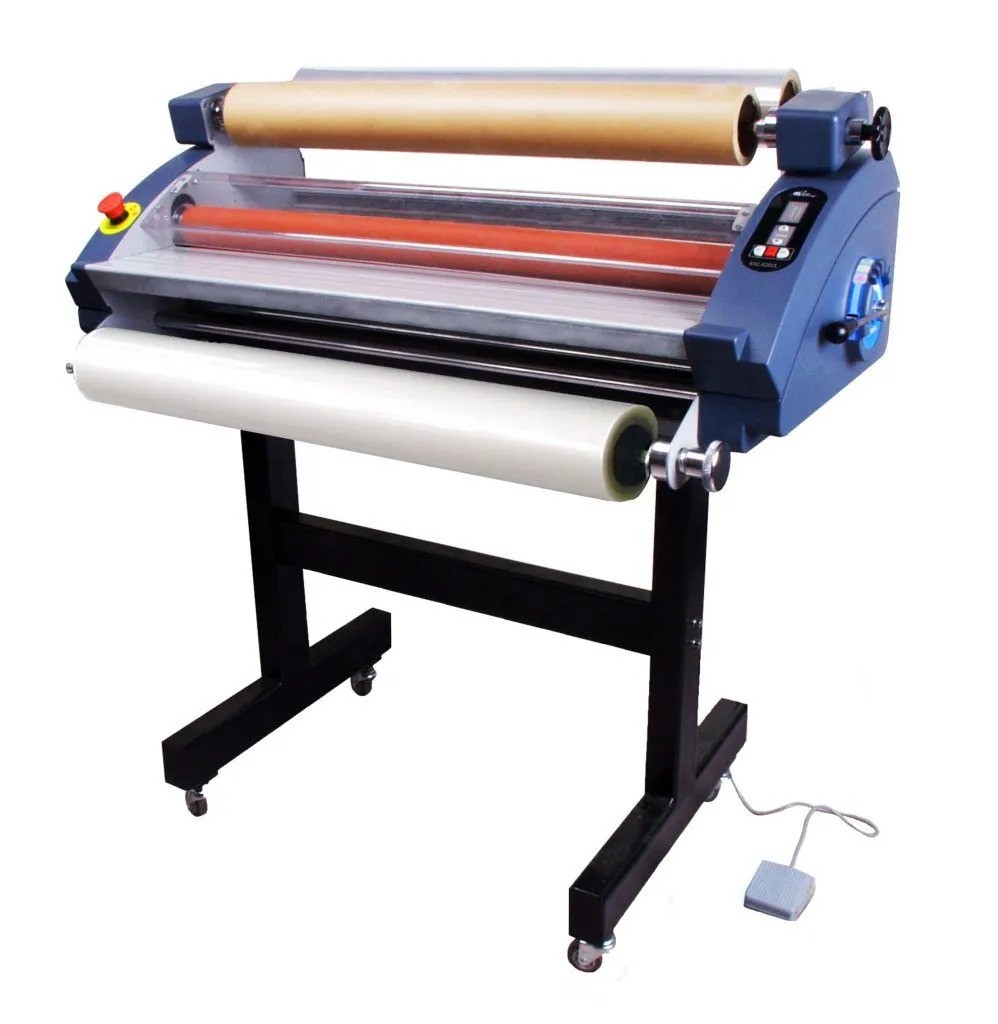
Royal Sovereign RSC 820CLS

Shop Now

To get the best results from lamination, choosing the right machine is essential. Whether you’re working with large formats or small batches, different laminators offer different advantages. We’ll explore the top recommended laminating machines suited for both roll laminators and pouch laminators in a separate section to help guide your selection.

Laminating Equipment and Compatibility

From desktop models to heavy-duty units, laminating machines are built to accommodate various production needs. Roll laminators are widely used for continuous or large-format applications, making them perfect for posters, banners, and high-volume work. Pouch laminators, on the other hand, are great for office or retail environments where single sheets or IDs are laminated as needed.

It’s crucial to match the right film with the print material and the machine. Factors like heat sensitivity, paper coating, and toner type can affect how well the laminate adheres. Specialty films such as Soft Touch Matte Thermal Laminating Film may require careful handling or specific machine settings.

Lamination enhances the appearance, durability, and lifespan of printed materials. From functional uses like protecting manuals and menus to elevating the look of luxury packaging and marketing pieces, it offers reliable performance across applications. With the right choice of materials—such as laminating rolls or pouches—and compatible machines like roll or pouch laminators, lamination remains a trusted and effective print finishing method.

At Printer’s Parts and Equipment, we understand the importance of quality when it comes to print finishing. We are committed to providing our customers with reliable, high-quality materials that deliver exceptional print results. Visit our website or contact our customer service team to explore our wide range of laser toners from reputable brands. Our knowledgeable staff is ready to assist you in your printing needs.
How Lamination Works in Printing

Lamination is a common post-printing process that enhances the durability, appearance, and overall quality of printed materials. It involves applying a thin layer of plastic film to one or both sides of a printed sheet. This added layer protects the paper from moisture, dirt, smudging, and general wear and tear, while also giving it a more polished or premium look. Lamination is widely used in commercial printing, packaging, signage, and promotional materials. But how exactly does the process work? Let’s explore the fundamentals of lamination in printing and how it improves both form and function.

What Is Lamination in Printing?

Lamination in the context of print finishing process refers to the process of bonding a plastic film—typically polypropylene or polyester—onto the surface of a printed substrate such as paper or cardboard. The lamination film can be glossy, matte, soft-touch, or textured depending on the desired finish. This film adds a protective layer and alters the tactile experience of the printed material.

The laminated surface helps prevent fading, tearing, creasing, and other types of damage. As a result, laminated products tend to last longer and maintain their visual appeal, especially when handled frequently or exposed to external elements.

Types of Lamination Films

Soft Touch Matte Laminating Film

Shop Now

Different lamination films are used depending on the application:

  • Gloss Lamination gives a shiny finish that enhances colour vibrancy and sharpness.
  • Matte Lamination creates a smooth, glare-free surface for a more subtle, sophisticated appearance.
  • Soft-Touch Lamination offers a velvety texture, often used in luxury packaging or high-end marketing materials.
  • Textured Lamination includes linen, leather-like, or sandpaper finishes for added visual and tactile interest.

How Lamination Works: Step by Step

The lamination process typically follows these steps, using either a hot or cold lamination method:

Preparation of the Printed Material

After the print job is complete and fully dried or cured, the sheets are trimmed and prepared for lamination. The surface must be clean and free from dust, as imperfections can get sealed under the film.

Feeding the Substrate

The printed sheets are fed into a laminating machine. For large-scale production, automated laminators are used to ensure precision and speed.

Applying the Film

In thermal (hot) lamination, the film is coated with a heat-activated adhesive. As the film passes through heated rollers, the adhesive melts and bonds to the printed surface under pressure.

In cold lamination, pressure-sensitive adhesive is used instead. This method is suitable for heat-sensitive materials such as synthetic papers or digitally printed sheets that might react poorly to high temperatures.

Bonding and Cooling

As the film adheres to the substrate, the material passes through rollers that press the layers together for a smooth, bubble-free bond. Afterward, the laminated sheet is cooled and may be trimmed to its final dimensions.

Post-Lamination Finishing

Laminated sheets can undergo further finishing processes such as die-cutting, scoring, or folding. In packaging applications, lamination may also be followed by foil stamping, spot UV, or embossing for added visual impact.

Why Lamination Matters in Printing

Lamination offers several key benefits that go beyond basic protection. First, it enhances the professional appearance of the printed piece. Glossy finishes boost colour contrast and sharpness, while matte and soft-touch finishes add elegance and sophistication.

Second, laminated materials are easier to handle and clean. Fingerprints, stains, and minor spills can often be wiped off the surface, making laminated menus, ID cards, manuals, and brochures especially practical.

Third, lamination adds structural integrity to printed materials. A thin sheet of film can significantly increase tear resistance and reduce the likelihood of folding, creasing, or edge damage.

Common Uses of Lamination in Printing

Print Marketing

Lamination is widely used across many industries and printed products, including:

  • Menus and Price Lists – For frequent handling and spill resistance.
  • Book Covers and Reports – To maintain a neat and durable appearance.
  • Posters and Signage – For UV protection and outdoor longevity.
  • Labels and Packaging – To improve strength and visual appeal.
  • Business Cards – Especially with soft-touch or matte finishes for a premium feel.

Lamination and Print Finishing Equipment

To carry out lamination efficiently, print shops and finishing facilities use machines such as roll laminators, pouch laminators, and automatic laminating systems. A reliable laminator ensures uniform heat and pressure, which are critical for proper adhesion and surface finish.

A machine like the Royal Sovereign RSC 820CLS is an example of a commercial-grade laminator capable of hot and cold lamination with added features like a decurl bar, which helps maintain flatness in laminated sheets.

Lamination is a key part of the print finishing process that adds both function and flair to printed materials. By applying a thin protective film, lamination safeguards against wear, improves appearance, and adds professional polish to everything from packaging to business collateral. Whether using hot or cold methods, or opting for matte, gloss, or specialty finishes, lamination continues to be a valuable step in producing high-quality printed products.

At Printer’s Parts and Equipment, we understand the importance of quality when it comes to print finishing. We are committed to providing our customers with reliable, high-quality materials that deliver exceptional print results. Visit our website or contact our customer service team to explore our wide range of laser toners from reputable brands. Our knowledgeable staff is ready to assist you in your printing needs.

CALL ME
+
Call me!
[]