What is Thermal Lamination in Printing?

In printing, presentation matters as much as the message itself. A good print job can capture attention, but protection ensures it lasts. This is where lamination comes in. Lamination protects and enhances printed materials while making them look more professional. Among the different methods available, thermal lamination is one of the most widely used. It combines durability, affordability, and ease of application, making it a favourite in many industries.

This article explores thermal lamination in detail. We will discuss what lamination is, the different types available, and the specific advantages of thermal lamination. We will also look into the equipment best suited for the process. By the end, you will understand why thermal lamination is an essential part of print finishing.

What is Lamination?

Glossy thermal laminating film roll

Shop Now

Lamination is the process of applying a thin protective film to printed materials. The goal is to make prints last longer and look better. It prevents damage from water, fingerprints, scratches, and even sunlight. The result is a stronger, more attractive final product.

Businesses use lamination in many ways. From menus and posters to business cards and book covers, lamination improves both durability and presentation. Customers expect materials that look fresh and clean even after frequent handling. Lamination helps deliver that result every time.

Lamination films come in different finishes, giving you control over how your printed piece appears. A glossy finish enhances colours and shine. A matte finish provides a smooth, elegant look without glare. Some specialty films add textures or soft-touch surfaces for unique effects.

Types of Lamination

Lamination methods vary depending on the film and application process. Each type has its own advantages and ideal use cases. Knowing the different options helps you choose the best one for your needs.

Thermal Lamination (Hot Lamination)

Thermal lamination uses heat to bond film to printed sheets. A thermal adhesive on the film melts and adheres to the surface. This method produces strong, durable results and is ideal for high-volume jobs. It is the most common method in commercial print finishing.

Pressure-Sensitive Lamination (Cold Lamination)

Pressure-sensitive lamination uses adhesive films that stick when pressed onto prints. No heat is needed, making it suitable for heat-sensitive materials. It is often used for small runs, short-term applications, or materials like vinyl.

Each type of lamination serves a specific purpose. However, thermal lamination remains the most versatile and cost-effective for general print finishing.

Why Choose Thermal Lamination

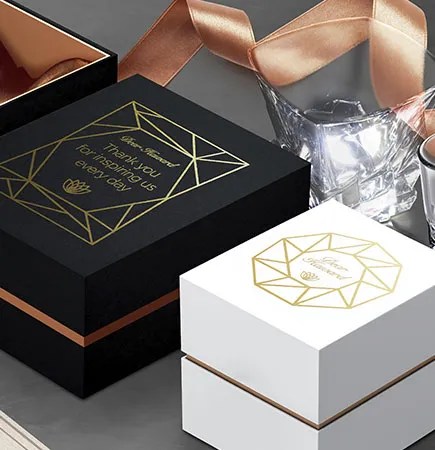
Laminated Business Cards

Thermal lamination is the preferred method in many print shops. It balances cost, efficiency, and quality. By using heat and pressure it creates a smooth and lasting bond between film and print.

Here are some reasons why thermal lamination stands out:

  • Strong adhesion – Heat-activated adhesive ensures the film bonds well with paper or board.
  • Wide application – Works on many printed products, from flyers to packaging.
  • Variety of finishes – Gloss, matte, silk, or specialty films enhance presentation.
  • Long-lasting results – Protects against scratches, water, and handling damage.
  • Fast process – Machines can handle large volumes with speed and consistency.

For businesses, this means delivering high-quality products that look professional and last longer. Customers appreciate prints that maintain their appearance over time.

Best Equipment to Use

Thermal lamination requires reliable equipment. The right machine makes the process faster, easier, and more consistent. Printers and finishers can choose from different types of laminators based on job size and volume.

Here are two of the best equipment options used in thermal lamination:

Pouch Laminators

Akiles ProLam Photo 13″ Pouch Laminator

Shop Now

Pouch laminators are easy to use. You place the print inside a film pouch, insert it into the machine, and heat-bond the layers. They are best for small-scale jobs such as ID cards, business cards, and certificates.

Advantages of pouch laminators include:

  • Simple operation
  • Compact size for office use
  • Affordable price
  • Great for low-volume needs

Roll Laminators

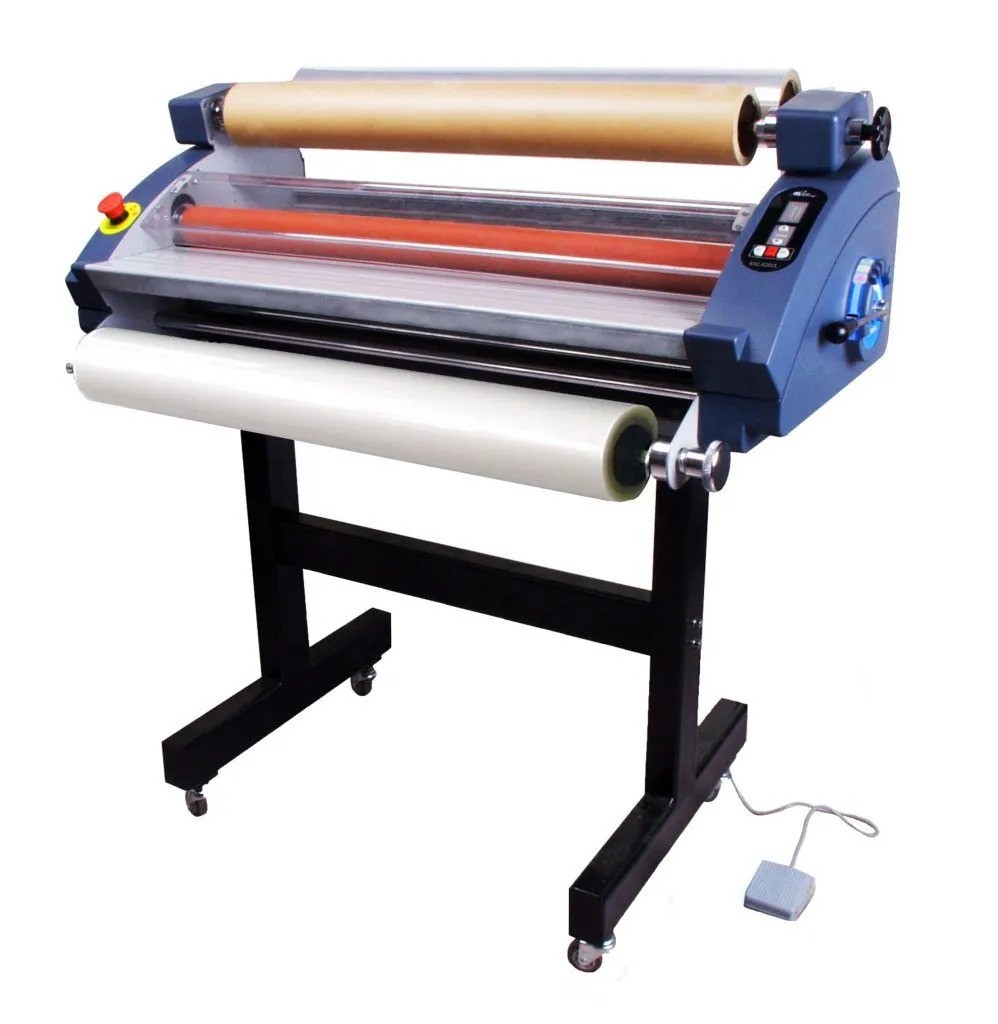
Roll laminators are larger machines designed for continuous film rolls. They are perfect for businesses handling bulk lamination. They can process posters, menus, and packaging materials in one go.

Advantages of roll laminators include:

  • High-speed operation
  • Ability to handle large sheets
  • Lower cost per piece for large volumes
  • Professional-grade results

When choosing equipment, consider the following:

  • Job volume and frequency
  • Print sizes handled
  • Budget and operating costs
  • Desired finish quality

Investing in the right laminator ensures smooth operation and customer satisfaction.

Applications of Thermal Lamination

Lamination

Thermal lamination serves many industries. Its ability to protect and enhance prints makes it a popular choice. Some common applications include:

  • Menus – Durable, easy to clean, and resistant to spills.
  • Book covers – Protects against wear and adds a polished look.
  • Business cards – Enhance appearance while making them last longer.
  • Packaging – Improves strength and provides a professional finish.
  • Posters and signage – Keeps colours vibrant and resists damage from handling.

These examples show how lamination adds both function and value to printed products.

Some Notes to Remember

Using thermal lamination requires some planning and care. Here are a few tips to ensure quality results:

  1. Always use the right film for the job.
  2. Make sure the machine reaches the proper temperature before use.
  3. Keep prints dust-free to avoid bubbles or uneven lamination.
  4. Trim excess film neatly for clean edges.
  5. Regularly maintain laminators to ensure smooth operation.

Following these steps reduces waste and keeps laminated products consistent in quality.

Thermal lamination is more than just a protective layer. It enhances the look and feel of printed products while ensuring they last longer. From small office jobs to large commercial projects, thermal lamination offers flexibility, reliability, and professional results.

By learning the different lamination methods, understanding the advantages of thermal lamination, and investing in the right equipment, businesses can meet customer expectations with ease. Whether it’s a menu that resists daily handling or a book cover that stands out on the shelf, thermal lamination delivers lasting value.

At Printer’s Parts and Equipment, we understand the importance of quality when it comes to print finishing. We are committed to providing our customers with reliable, high-quality materials that deliver exceptional print results. Visit our website or contact our customer service team to explore our wide range of laser toners from reputable brands. Our knowledgeable staff is ready to assist you in your printing needs.

Practical Uses of Lamination in Printing

Lamination plays a vital role in print finishing. It adds protection, durability, and visual appeal to printed items. Many industries rely on lamination to enhance the appearance and durability of their materials. From business cards to packaging, lamination ensures that print products look professional while resisting wear and tear.

What Is Lamination in Printing

Lamination in printing is the process of applying a thin protective layer onto a printed surface. It is used as a print finishing step to improve both look and durability. The film is typically made of plastic and bonded through heat, pressure, or adhesive. Once applied, the lamination protects the print from scratches, moisture, and daily handling.

This process not only keeps the material strong but also enhances its visual presentation. It is widely used for menus, posters, brochures, packaging, and marketing materials.

Common Uses of Lamination

Lamination

Lamination has many uses across industries and applications. It is not limited to offices or schools but is also used by businesses, retailers, and service providers. Here are some of the most common uses of lamination in printing:

  • Business cards – Laminated business cards last longer and withstand frequent handling. They keep colours sharp, prevent tearing, and resist water. A laminated card also gives a professional impression to clients.
  • Menus – Restaurants laminate menus to prevent damage from spills and constant use. Laminated menus can be wiped clean quickly, saving time and money on replacements. They also stay presentable even after daily handling.
  • Posters and signs – Laminated posters and signs remain bright and clear even when displayed in public areas. Lamination protects them from fading caused by sunlight and from wear due to exposure. This makes them suitable for both indoor and outdoor use.
  • Educational materials – Teachers laminate charts, flashcards, and learning aids to ensure repeated use without damage. Laminated resources can survive drops, spills, and daily classroom activities. This helps schools reduce costs by avoiding frequent reprinting.
  • ID cards and badges – Lamination adds strength and protects printed IDs from smudging and fading. It also makes the surface resistant to scratches, which is important for cards used every day. Laminated badges are easier to clean and remain professional-looking.
  • Documents – Certificates, licenses, and important papers benefit from lamination for long-term safekeeping. Lamination shields them from moisture, folds, and accidental tearing. Families and offices use this method to secure records for many years.
  • Marketing materials – Brochures, sales sheets, and presentation folders look more polished when laminated. The glossy or matte finish enhances design and makes colours stand out. Lamination also ensures these materials hold up during client meetings and trade shows.

These applications show how versatile lamination is for both professional and personal use.

Types of Laminating Rolls

Soft Touch Matte Laminating Film

Shop Now

Different types of laminating rolls provide unique effects and finishes. Each type serves a particular purpose depending on the look and feel needed.

Glossy Laminating Rolls

Glossy rolls boost colour richness and vibrancy. They make images and text more eye-catching and clear. Glossy finishes work best for menus, catalogues, posters, and promotional materials.

Matte Laminating Rolls

Matte rolls reduce glare and give a soft, smooth appearance. They create a more refined and professional look. Matte films are often used in reports, luxury packaging, and marketing brochures.

Soft Touch Matte Laminating Rolls

Soft-touch matte rolls offer a unique, velvet-like feel. They reduce reflections while adding a sense of luxury. This type of film is often used for high-end branding, business cards, and packaging.

Why Lamination Is Important

Lamination matters because it extends the life and quality of printed items. Without lamination, paper products can quickly wear out. Every day handling leads to folds, scratches, and fading. Lamination helps solve these issues by creating a protective barrier.

It also improves the look of the material. Glossy lamination brings colours to life, while matte offers a clean, subtle style. For premium products, soft touch adds a luxurious texture that feels modern and high quality. Beyond looks, lamination protects against spills, fingerprints, and dirt. This is especially helpful for menus, packaging, and cards that are handled often.

Businesses invest in lamination because it makes their materials more durable and professional. A laminated product communicates quality to customers and creates a stronger impression.

Notes to Remember When Using Lamination

To get the best results, users should keep a few notes in mind when buying, using, and storing laminating films. These tips ensure both the film and the final product remain in good condition.

  • Store laminating rolls in a cool and dry place to prevent damage.
  • Avoid exposing films to direct sunlight, which can cause fading or warping.
  • Use the right type of laminating film for the print.
  • Always clean the laminator rollers to avoid dirt marks on the final product.
  • Allow laminated prints to cool before trimming to prevent peeling.
  • Handle laminated products carefully around edges to keep the seal strong.

By following these notes, the results remain consistent, and laminated materials last longer.

Best Equipment to Use with Lamination

Royal Sovereign RSC-1700M Cold Roll Laminator 65″

Shop Now

Laminating film works best when paired with the right equipment. Machines make the process faster, cleaner, and more efficient. Two of the most common machines for lamination are roll laminators and pouch laminators.

  • Roll laminators – These machines are ideal for large-scale lamination. They use rolls of film that can handle bigger documents, posters, and banners. Businesses that laminate many items daily often prefer roll laminators for speed and efficiency.
  • Pouch laminators – These are smaller machines that use pre-sized pouches. They are perfect for offices, schools, and personal use. Pouch laminators are simple to operate and work best for smaller items like ID cards, certificates, or menus.

Both machines have their strengths, and choosing one depends on the size of the operation and the type of materials being laminated.

Lamination continues to be one of the most practical finishing techniques in the printing industry. It protects materials, enhances appearance, and makes them last longer. From business cards to menus and even educational tools, laminated products stay in good condition despite constant use. With different film options like glossy, matte, and soft touch matte, users can achieve the exact look and feel they want.

Using lamination not only saves money but also strengthens brand image by improving the quality of printed materials. Paired with the right equipment, such as roll laminators or pouch laminators, lamination remains an essential process for anyone who wants durable, high-quality prints.

At Printer’s Parts and Equipment, we understand the importance of quality when it comes to print finishing. We are committed to providing our customers with reliable, high-quality materials that deliver exceptional print results. Visit our website or contact our customer service team to explore our wide range of laser toners from reputable brands. Our knowledgeable staff is ready to assist you in your printing needs.

Understanding the Uses and Benefits of Stitching Wire in Binding

Updated: October 22, 2026

Stitching wire is one of the most reliable binding materials used in print finishing and book production. It holds together pages firmly and provides a neat, professional look for documents. From small booklets to large catalogues, stitching wire ensures durability and function in binding. In this article, we will discuss what stitching wire is, its role in saddle stitching, the final products that use it, and why proper binding is important. We will also share notes to remember when using stitching wire and highlight the best equipment to use with it.

What Is Stitching Wire

Stitching wire is a thin, strong wire used to bind printed materials. It works by piercing through the pages and folding at the center, securing the sheets together. It is often used in saddle stitching, one of the most common binding methods in printing.

Stitching wire comes in different thicknesses and finishes depending on the type of product. Galvanized wire is common for standard booklets, while tinned or coated wires resist rust and improve durability. Because stitching wire is flexible yet firm, it is widely used in commercial printing and publishing.

What Is Saddle Stitching

Saddle Stitching

Saddle stitching is one of the most common methods of bookbinding. The process involves folding sheets of paper, stacking them together, and then binding them with stitching wire along the fold. The wire passes through the spine and folds flat, keeping the pages in place.

This method is popular because it is cost-effective, efficient, and produces neat results. Saddle stitching works well for booklets, brochures, catalogues, magazines, and other materials with a limited number of pages. It provides a clean finish while ensuring the product is durable enough for regular handling.

Printed Materials That Use Stitching Wire

Many printed materials rely on stitching wire because it is secure and affordable. Below are some common applications of stitching wire across industries.

Booklets and Brochures

Stitching wire is widely used in making booklets, company brochures, and small catalogues. These materials benefit from a secure spine that is still easy to flip through.

Magazines and Newsletters

Magazines, community newsletters, and corporate updates often use saddle stitching. This keeps costs low while still providing a professional look.

Educational Materials

Schools and training centers often use stitching wire for workbooks, study guides, and thin manuals. The binding allows students to use the books comfortably without pages coming loose.

Event Programs and Manuals

Stitching wire is also common for event programs, user manuals, and instruction booklets. These products often need to be both durable and easy to produce in bulk.

Marketing Materials

Businesses use stitching wire to create marketing booklets, product catalogues, and promotional material. The binding makes them look professional while staying cost-effective.

Why Proper Binding Is Important

Proper binding plays a key role in the quality and usability of printed materials. The binding holds the pages together, protecting them from wear and tear during regular use. If the binding is weak, pages may fall out, and the product loses its function and value.

A strong binding also adds to the professional appearance of a document. Businesses, schools, and publishers rely on neat, durable binding to create a positive impression on readers. In marketing, for example, a well-bound catalogue makes products appear more trustworthy. In education, secure binding ensures that learning materials last for the school year without falling apart.

Proper binding also affects usability. A securely bound booklet or magazine is easier to handle, flip through, and store. It improves the overall reading experience and ensures the content remains intact. Stitching wire achieves this by creating a solid yet flexible hold on pages, making it an essential tool in printing and finishing.

Notes to Remember When Using Stitching Wire

To achieve the best results with stitching wire, it is important to follow certain practices. These notes help ensure the binding process is smooth and the final product is of good quality.

When Buying Stitching Wire

  • Always choose the right type of stitching wire for your needs.
  • Select galvanized wire for standard booklets and general use.
  • Choose tinned or coated wire for products that need rust resistance.
  • Match the wire thickness to the page count and paper weight.
  • Buy in bulk if producing large volumes to save costs.

When Using Stitching Wire

  • The way you apply stitching wire affects the final result.
  • Always use a stitching machine for neat and secure binding.
  • Adjust machine settings based on wire thickness and paper type.
  • Make sure the fold line is even before stitching.
  • Do test runs before mass production to check alignment.

When Storing Stitching Wire

  • Proper storage keeps the wire in good condition.
  • Store wire in a cool, dry place to prevent rust.
  • Keep coils in their original packaging until use.
  • Avoid exposing the wire to moisture or extreme heat.
  • Rotate stock if storing long-term to use older coils first.

Best Equipment to Use in Conjunction With Stitching Wire

To maximize efficiency and ensure high-quality results, using the right equipment with stitching wire is essential. Several machines are designed to handle stitching wire and make the process faster and more accurate.

MBM Stitchmaster Wire Stitcher

MBM stitchmaster wire stitcher

Shop Now

The MBM Stitchmaster Wire Stitcher is a versatile machine built for precision and durability. It can handle booklets, brochures, and catalogues efficiently, making it a great choice for small to medium print shops. The machine’s adjustable features allow it to work with different wire sizes and paper thicknesses. Its speed and reliability make it a valuable investment for businesses that regularly use saddle stitching.

DeLuxe Book Stitchers Like M30-AST

DeLuxe Book Stitchers M30-AST

Shop Now

The DeLuxe line of book stitchers, including the DeLuxe Book Stitchers M30-AST, is known for its strength and flexibility. These machines are designed for heavy-duty use and can stitch a wide range of printed products. They are ideal for commercial printers that handle large volumes of booklets and magazines. The M30-AST model is especially popular because it combines power with precision, ensuring every stitch is consistent.

Having a book stitching machines reduce manual effort, improves production speed, and delivers clean, professional results. Using these machines ensures that stitching wire is applied correctly and that the final product meets quality standards.

Final Thoughts

Stitching wire is an essential material in the printing and binding industry. It provides strength, flexibility, and affordability, making it a top choice for producing booklets, brochures, catalogues, and many other printed items. Saddle stitching, one of the most common methods that uses stitching wire, creates durable and professional-looking products that are easy to handle.

Proper binding plays a major role in protecting the content, improving usability, and enhancing the look of printed materials. Following best practices when buying, using, and storing stitching wire ensures consistent quality. At the same time, investing in reliable machines like the MBM Stitchmaster or the DeLuxe M30-AST allows print shops to achieve efficient and accurate binding.

By combining the right materials, methods, and equipment, businesses can produce professional products that meet high standards and satisfy their clients. Stitching wire will continue to play a vital role in printing, binding, and publishing, supporting industries that depend on secure and reliable document finishing.

At Printer’s Parts and Equipment, we understand the importance of quality when it comes to print finishing. We are committed to providing our customers with reliable, high-quality materials that deliver exceptional print results. Visit our website or contact our customer service team to explore our wide range of laser toners from reputable brands. Our knowledgeable staff is ready to assist you in your printing needs.

Different Print Finishing Processes

Updated: September 11, 2026

Printing is only part of the production journey—once the ink dries, print finishing steps give materials their final look and feel. Print finishing transforms flat, printed sheets into polished, professional products ready for distribution or use. By choosing the right finishing techniques, printed pieces stand out, last longer, and leave a lasting impression on your audience.

Finishing processes serve functional needs (like improving durability and usability), decorative needs (elevating design and brand perception), or both. Here is a breakdown of the primary techniques that bring designs to life:

Functional Fundamentals

Before adding visual flair, every project relies on essential structural and preparation steps:

  • Trimming and Cutting – As one of the most basic finishing steps, trimming removes unwanted borders and cuts printed sheets to uniform, precise sizes using guillotine cutters or automated trimmers.
  • Folding – Essential for brochures, pamphlets, and booklets, folding makes large printed sheets compact and readable. Common styles include half-fold, tri-fold, gatefold, and accordion fold, executed manually or with machines.
  • Collating – Prior to binding, collating sequences multi-page documents (like reports and catalogues) into the correct order. High-volume jobs use automated collating systems for efficiency.
  • Perforating and Scoring – Perforating creates a line of small holes for clean tearing—ideal for tickets, coupons, and forms. Scoring applies a crease so paper folds cleanly without cracking, making it a staple for stationery and packaging.

Binding Techniques – Putting Pages Together

Box of 100 black plastic binding coils, 4:1 pitch, 12-inch

Shop Now

Joining multiple printed pages into a single document depends on page count, durability requirements, and budget:

  • Saddle Stitching – Uses staples along the spine, making it ideal for booklets and magazines.
  • Perfect Binding – Glues pages at the spine to create a flat, clean edge for books.
  • Comb Binding – Uses a flexible plastic spine with teeth that feed through punched rectangular holes, offering an economical choice for reports and presentations where pages may need to be added or replaced later.
  • Coil Binding (Spiral Binding) – Winds a continuous plastic or metal coil through punched holes along the spine, allowing documents to open 360 degrees and lie completely flat—perfect for manuals, workbooks, and calendars.
  • Wire Binding (Wire-O) – Uses double-loop metal wire rings to secure pages, providing a sleek, highly professional finish that lies flat, making it a popular choice for executive presentations, reports, and calendars.
  • Thermal Binding – Employs heat to activate an adhesive inside a cover to secure pages together.

Protective & Surface Enhancements

Glossy thermal laminating film roll

Shop Now

Protecting prints from wear while enhancing their visual appeal keeps materials performing well in everyday use:

  • Laminating – Covers printed materials with a protective film using roll or pouch laminators. It increases durability, resists moisture, and comes in gloss, matte, or Soft Touch finishes—commonly used for menus, ID cards, business cards, and packaging.
  • UV Coating – Liquid coating is cured instantly with ultraviolet light to deliver a high-gloss, matte, or satin finish. It protects surfaces from scratches while improving color vibrancy.

Decorative & Tactile Finishes

Decorative finishes elevate brand identity, communicate luxury, and add tactile depth to print designs:

  • Embossing and Debossing – Embossing raises specific paper areas while debossing presses them inward. These techniques create texture and depth, making them popular for luxury packaging, certificates, and business cards.
  • Foil Stamping – Uses heat and pressure to apply metallic or pigmented foils (like gold, silver, or holographic) to highlight logos, titles, and special design elements.
  • Spot UV & Spot Varnish – Spot UV highlights specific areas for visual emphasis, while spot varnish applies a glossy or matte finish only to selected areas while leaving the rest uncoated. Both methods create striking visual contrast to draw attention to key visuals or text.
  • Die Cutting – Shapes paper into custom designs using a metal die, allowing for creative shapes beyond standard rectangles or squares for packaging, labels, business cards, and promotional items.

Why Print Finishing Matters for Branding

Finishing choices directly influence how customers perceive printed materials. High-end finishes communicate luxury and attention to detail, while functional finishes display practicality and durability. Choosing modern, versatile equipment designed for speed and precision ensures consistent quality and efficient workflows, helping businesses strengthen their brand identity through memorable print products.

What is Lamination in Printing?

In the world of commercial printing, achieving durability and an attractive finish is just as important as producing clear, vibrant images. One widely used technique that helps enhance and protect printed materials is lamination. This post-printing process adds a thin layer of plastic film to the surface of paper or card stock. The result is a stronger, longer-lasting product with added resistance to moisture, tearing, and smudging.

Lamination plays a major role in both everyday print applications and premium packaging. It enhances presentation, strengthens the substrate, and extends the life of the printed piece. Whether it’s a restaurant menu, a book cover, or a promotional brochure, lamination adds value by improving both form and function.

How Lamination Works

Soft Touch Matte Laminating Film

Shop Now

Lamination involves bonding a transparent plastic film onto one or both sides of a printed sheet. Laminators typically apply heat, pressure, or adhesive, depending on the type of lamination used. The laminated material passes through rollers that apply the film while ensuring a smooth, bubble-free surface.

There are two common methods of lamination:

  • Thermal lamination (hot lamination): This method uses heat-activated adhesive that melts and bonds the film to the print surface.
  • Pressure-sensitive lamination (cold lamination): This method uses adhesive that sticks without heat, making it suitable for heat-sensitive materials like synthetic paper or certain digital prints.

Both methods provide excellent results, but the choice often depends on the type of substrate, print method used, and application requirements.

Types of Lamination Films

Lamination films come in different finishes, each offering its own aesthetic and functional benefits. The choice of film can significantly influence the look and feel of the final product.

  • Gloss Lamination produces a shiny, reflective finish that intensifies colours and sharpens images. People often use it in packaging, photos, and promotional materials.
  • Matte Lamination offers a flat, non-reflective surface that gives a smooth, elegant look. Designers often use it for luxury packaging and business cards because it reduces glare.
  • Soft Touch Matte Thermal Laminating Film adds a velvety texture to printed pieces, giving them a premium feel. Brands widely use it in high-end branding and product packaging.
  • Satin or Silk Lamination falls between gloss and matte, providing a smooth finish with subtle shine.

Each type not only enhances appearance but also protects the surface from handling and environmental damage.

Why Lamination is Used in Printing

Glossy thermal laminating film roll

Lamination, as one of the print finishing techniques, improves both the visual appeal and physical strength of a printed product. Some of the key advantages include:

Protection: It resists water, grease, dirt, and general wear. This is especially important for frequently handled items like instruction manuals, menus, and ID cards.

  • Durability: Lamination reinforces the paper, preventing tears and preserving its structure.
  • Appearance: Glossy finishes enhance colours, while matte and soft-touch laminations offer sophistication and a tactile experience.
  • Longevity: The lamination layer ensures printed materials last longer even in demanding environments.
  • Easy Maintenance: The smooth surface allows for cleaning without damaging the print.

With these benefits, lamination is a go-to solution in many printing applications.

Common Applications of Lamination

Lamination is used across a broad spectrum of industries and product types. Common examples include:

  • Menus and Instruction Sheets: These items require spill resistance and a cleanable surface.
  • Packaging and Labels: Lamination adds strength and visual appeal, enhancing shelf presence.
  • Brochures and Covers: Laminated covers protect against wear and make marketing materials look more professional.
  • Business Cards and Folders: Lamination elevates presentation and increases durability.
  • Posters and Signage: Outdoor or high-traffic prints benefit from UV and moisture resistance.
  • Educational Aids: Flashcards and teaching tools last longer when laminated.

Laminating rolls and laminating pouches are commonly used depending on the machine and format size. Laminating rolls are ideal for high-volume production using roll laminators, while pouches are used for small-scale or individual prints using pouch laminators.

Best Machines to Use for Lamination

Royal Sovereign RSC 820CLS

Shop Now

To get the best results from lamination, choosing the right machine is essential. Whether you’re working with large formats or small batches, different laminators offer different advantages. We’ll explore the top recommended laminating machines suited for both roll laminators and pouch laminators in a separate section to help guide your selection.

Laminating Equipment and Compatibility

From desktop models to heavy-duty units, laminating machines are built to accommodate various production needs. Roll laminators are widely used for continuous or large-format applications, making them perfect for posters, banners, and high-volume work. Pouch laminators, on the other hand, are great for office or retail environments where single sheets or IDs are laminated as needed.

It’s crucial to match the right film with the print material and the machine. Factors like heat sensitivity, paper coating, and toner type can affect how well the laminate adheres. Specialty films such as Soft Touch Matte Thermal Laminating Film may require careful handling or specific machine settings.

Lamination enhances the appearance, durability, and lifespan of printed materials. From functional uses like protecting manuals and menus to elevating the look of luxury packaging and marketing pieces, it offers reliable performance across applications. With the right choice of materials—such as laminating rolls or pouches—and compatible machines like roll or pouch laminators, lamination remains a trusted and effective print finishing method.

At Printer’s Parts and Equipment, we understand the importance of quality when it comes to print finishing. We are committed to providing our customers with reliable, high-quality materials that deliver exceptional print results. Visit our website or contact our customer service team to explore our wide range of laser toners from reputable brands. Our knowledgeable staff is ready to assist you in your printing needs.

How Lamination Works in Printing

Lamination is a common post-printing process that enhances the durability, appearance, and overall quality of printed materials. It involves applying a thin layer of plastic film to one or both sides of a printed sheet. This added layer protects the paper from moisture, dirt, smudging, and general wear and tear, while also giving it a more polished or premium look. Lamination is widely used in commercial printing, packaging, signage, and promotional materials. But how exactly does the process work? Let’s explore the fundamentals of lamination in printing and how it improves both form and function.

What Is Lamination in Printing?

Lamination in the context of print finishing process refers to the process of bonding a plastic film—typically polypropylene or polyester—onto the surface of a printed substrate such as paper or cardboard. The lamination film can be glossy, matte, soft-touch, or textured depending on the desired finish. This film adds a protective layer and alters the tactile experience of the printed material.

The laminated surface helps prevent fading, tearing, creasing, and other types of damage. As a result, laminated products tend to last longer and maintain their visual appeal, especially when handled frequently or exposed to external elements.

Types of Lamination Films

Soft Touch Matte Laminating Film

Shop Now

Different lamination films are used depending on the application:

  • Gloss Lamination gives a shiny finish that enhances colour vibrancy and sharpness.
  • Matte Lamination creates a smooth, glare-free surface for a more subtle, sophisticated appearance.
  • Soft-Touch Lamination offers a velvety texture, often used in luxury packaging or high-end marketing materials.
  • Textured Lamination includes linen, leather-like, or sandpaper finishes for added visual and tactile interest.

How Lamination Works: Step by Step

The lamination process typically follows these steps, using either a hot or cold lamination method:

Preparation of the Printed Material

After the print job is complete and fully dried or cured, the sheets are trimmed and prepared for lamination. The surface must be clean and free from dust, as imperfections can get sealed under the film.

Feeding the Substrate

The printed sheets are fed into a laminating machine. For large-scale production, automated laminators are used to ensure precision and speed.

Applying the Film

In thermal (hot) lamination, the film is coated with a heat-activated adhesive. As the film passes through heated rollers, the adhesive melts and bonds to the printed surface under pressure.

In cold lamination, pressure-sensitive adhesive is used instead. This method is suitable for heat-sensitive materials such as synthetic papers or digitally printed sheets that might react poorly to high temperatures.

Bonding and Cooling

As the film adheres to the substrate, the material passes through rollers that press the layers together for a smooth, bubble-free bond. Afterward, the laminated sheet is cooled and may be trimmed to its final dimensions.

Post-Lamination Finishing

Laminated sheets can undergo further finishing processes such as die-cutting, scoring, or folding. In packaging applications, lamination may also be followed by foil stamping, spot UV, or embossing for added visual impact.

Why Lamination Matters in Printing

Lamination offers several key benefits that go beyond basic protection. First, it enhances the professional appearance of the printed piece. Glossy finishes boost colour contrast and sharpness, while matte and soft-touch finishes add elegance and sophistication.

Second, laminated materials are easier to handle and clean. Fingerprints, stains, and minor spills can often be wiped off the surface, making laminated menus, ID cards, manuals, and brochures especially practical.

Third, lamination adds structural integrity to printed materials. A thin sheet of film can significantly increase tear resistance and reduce the likelihood of folding, creasing, or edge damage.

Common Uses of Lamination in Printing

Print Marketing

Lamination is widely used across many industries and printed products, including:

  • Menus and Price Lists – For frequent handling and spill resistance.
  • Book Covers and Reports – To maintain a neat and durable appearance.
  • Posters and Signage – For UV protection and outdoor longevity.
  • Labels and Packaging – To improve strength and visual appeal.
  • Business Cards – Especially with soft-touch or matte finishes for a premium feel.

Lamination and Print Finishing Equipment

To carry out lamination efficiently, print shops and finishing facilities use machines such as roll laminators, pouch laminators, and automatic laminating systems. A reliable laminator ensures uniform heat and pressure, which are critical for proper adhesion and surface finish.

A machine like the Royal Sovereign RSC 820CLS is an example of a commercial-grade laminator capable of hot and cold lamination with added features like a decurl bar, which helps maintain flatness in laminated sheets.

Lamination is a key part of the print finishing process that adds both function and flair to printed materials. By applying a thin protective film, lamination safeguards against wear, improves appearance, and adds professional polish to everything from packaging to business collateral. Whether using hot or cold methods, or opting for matte, gloss, or specialty finishes, lamination continues to be a valuable step in producing high-quality printed products.

At Printer’s Parts and Equipment, we understand the importance of quality when it comes to print finishing. We are committed to providing our customers with reliable, high-quality materials that deliver exceptional print results. Visit our website or contact our customer service team to explore our wide range of laser toners from reputable brands. Our knowledgeable staff is ready to assist you in your printing needs.

What is Specialty Printing?

As demand for unique and eye-catching printed materials grows, specialty printing has become an important part of the printing industry. Unlike traditional printing methods focused on standard formats and substrates, specialty printing goes beyond the ordinary. It incorporates special techniques, materials, and finishes that transform simple prints into creative, functional, or highly durable products. Specialty printing helps businesses and creatives stand out in a competitive market. It serves many uses, including branding, packaging, signage, textiles, and promotional products.

This article explores specialty printing, how it differs from conventional printing, the most common techniques, and its applications across industries.

What is Specialty Printing?

Specialty printing uses advanced methods and materials to create specific effects, functions, or visual appeal. It often involves printing on unusual surfaces, adding special finishes, or using methods that require skills beyond basic ink-on-paper printing.

Unlike standard offset or digital printing, specialty printing focuses on customization, durability, and uniqueness. It may include printing on fabric, metal, plastic, wood, glass, and other non-paper substrates. It can also use textured finishes, metallic inks, raised designs, or coatings to improve the look and feel of printed materials.

How Specialty Printing Works

Specialty printing processes vary widely, depending on the intended result and substrate. Specialty printing combines the right methods, equipment, and supplies to create results that traditional printing cannot achieve.

For example, UV printing uses ultraviolet light to cure ink as it prints. This allows the ink to bond with materials like acrylic and glass. Embossing uses pressure and dies to create raised surfaces, while foil stamping applies metallic foil for a premium finish. In textile printing, screen printing and dye-sublimation are common techniques for producing vivid, long-lasting designs on garments.

Common Specialty Printing Techniques

Foil Stamping

Here are some widely used specialty printing processes and methods:

  • UV Printing: Uses UV light to cure ink instantly, enabling printing on wood, glass, metal, and plastics with vibrant, high-resolution results.
  • Embossing and Debossing: Embossing raises parts of a print, while debossing presses them into the surface. Both techniques add texture to logos, invitations, and packaging.
  • Foil Stamping: Applies a thin layer of metallic or pigmented foil to a surface using heat and pressure. Commonly used in luxury packaging and branding.
  • Spot UV Coating: Applies a glossy coating to selected areas of a print to create contrast. This technique highlights text, logos, and images.
  • Textile Printing: Techniques like screen printing, direct-to-garment (DTG), and dye-sublimation are used for customizing clothing, accessories, and fabrics.
  • Thermal Printing: Often used for labelling and barcode printing, especially in retail and logistics.
  • 3D Printing (Additive Manufacturing): While not traditional printing, 3D printing is sometimes categorized as specialty printing due to its role in producing physical prototypes or promotional items.
  • Scented and Thermochromic Inks: Special inks that change colour with heat or emit fragrance when scratched are used in promotional and novelty items.

Benefits of Specialty Printing

Specialty printing offers several advantages that make it essential in today’s visually driven and brand-conscious environment:

  • Techniques like foil stamping, embossing, or spot UV create an elevated, high-end look that standard printing can’t achieve.
  • Specialty printing makes it possible to print on non-paper materials, expanding the range of applications across industries.
  • Businesses can use unique textures, finishes, and effects to stand out from competitors and leave a lasting impression on consumers.
  • Many specialty printing methods, such as UV and screen printing, are more durable than conventional methods, making them ideal for outdoor use, high-handling products, or industrial labelling.
  • Specialty techniques allow for highly personalized products, from custom packaging to branded merchandise, which adds value for both businesses and consumers.

Applications of Specialty Printing

Specialty printing finds use in a wide variety of industries and product categories:

boxes and packaging
  • Retail and Packaging: Premium packaging with foil accents, embossed logos, and specialty coatings enhances product appeal and influences buyer decisions.
  • Corporate Branding: Custom business cards, stationery, and promotional items often use specialty techniques to convey professionalism and quality.
  • Textiles and Apparel: T-shirts, uniforms, tote bags, and sportswear are personalized using screen printing, DTG, or sublimation methods.
  • Signage and Display: Durable outdoor signage, backlit graphics, and point-of-sale displays are often produced using UV or latex printing.
  • Event and Wedding Printing: Invitations, programs, and thank-you cards often feature embossing, foil stamping, or textured paper to elevate the experience.
  • Industrial and Technical: Specialty labels, safety signage, and control panel overlays use durable materials and inks to withstand extreme conditions.

Challenges and Considerations

While specialty printing offers many benefits, it also comes with unique challenges that must be considered before implementation. One of the main concerns is cost. Specialty processes often involve more complex setups and the use of premium materials, which can significantly raise production expenses compared to standard printing methods.

Another factor is production time. Certain techniques, such as foil stamping or screen printing, may require longer lead times, especially when custom dies, screens, or plates need to be prepared in advance. This can impact turnaround times for time-sensitive projects.

Additionally, technical expertise plays a crucial role. Operating specialty printing equipment often demands specific training and hands-on experience. Without skilled operators, it can be difficult to achieve consistent and high-quality results, which may lead to errors or waste.

Specialty printing is a powerful tool in the modern printer’s arsenal, enabling the creation of high-impact, customized, and durable products that go far beyond standard print. With its wide range of techniques and applications, it serves as a bridge between function and creativity. As brands and businesses look for ways to connect with customers and stand out in crowded markets, specialty printing offers the solutions they need to make a lasting impression. Whether enhancing product packaging, customizing apparel, or producing innovative signage, specialty printing continues to shape the future of print.

At Printer’s Parts and Equipment, we understand the importance of quality when it comes to print finishing. We are committed to providing our customers with reliable, high-quality materials that deliver exceptional print results. Visit our website or contact our customer service team to explore our wide range of laser toners from reputable brands. Our knowledgeable staff is ready to assist you in your printing needs.

How Embossing Adds Depth and Elegance to Design

In the world of printing, a wide variety of finishing techniques can be used to enhance the visual and tactile qualities of printed materials. One such technique is embossing, a process that adds texture and dimension to paper or other materials, making them stand out and feel more premium. Embossing is particularly popular in the packaging, stationery, and luxury product sectors, where it can create a distinctive look and elevate the overall design. This article explores what embossing is, how it works, its different types, and its uses in the printing industry.

What Is Embossing?

Embossing and Debossing

Embossing is a print finishing used to create a raised or 3D effect on the surface of paper or other materials. The process involves pressing a design or pattern into the material using heat and pressure, resulting in a raised texture that can be felt when touched. This effect adds depth, sophistication, and a tactile experience that visual design alone cannot achieve.

Embossing is often used in conjunction with other print finishes, such as foil stamping or spot UV coating, to create a more complex and eye-catching design. It’s especially popular in luxury packaging, business cards, invitations, and product packaging, where the tactile sensation of the print adds a layer of exclusivity.

How Does It Work?

The process requires a specialized machine and two main components: an embossing die and a counter die. The die contains the design or pattern to be embossed, and the counter die is a smooth, flat surface that complements the embossing die.

The process begins by placing the material to be embossed between the two dies. One die is typically heated, while the other applies pressure. The material is pressed between the two dies, and the raised design is formed as the die presses into the surface of the material. The heat activates the fibres in the paper, making them more pliable, so they can more easily take on the shape of the die.

Once the pressure is released, the material takes on the raised design, which can be seen and felt. Depending on the type used, the design may have a subtle or dramatic raised effect.

Types of Embossing

Embossing

There are several different types of embossing techniques, each offering varying levels of depth and design flexibility.

Blind Embossing

Blind embossing is the simplest form of embossing and involves creating a raised design without the use of ink or foil. This type relies solely on the pressure and heat applied to the material, creating a subtle yet elegant effect. Blind embossing creates a clean, elegant look by raising a logo or monogram on business cards, invitations, or luxury packaging without using ink or foil.

Registered Embossing

Registered embossing combines embossing with printed images, such as a logo or text. This process aligns the raised design with the printed elements. This technique ensures that the raised design aligns perfectly with the printed elements, creating a seamless, integrated effect. Registered embossing works well for detailed designs that align with printed graphics.

Debossing

While embossing creates a raised design, debossing is the opposite process. Debossing involves pressing a design into the surface of the material, creating a recessed effect. Debossing adds texture and depth but gives the opposite tactile experience. Designers often combine debossing and embossing to create contrast between recessed and raised elements.

Combination Embossing

Combination embossing uses both embossing and debossing to create a multidimensional effect. This technique adds depth by combining raised and recessed elements in one print run. Combination embossing is particularly effective in creating intricate designs with varied textures and visual interest, making it popular in high-end packaging, book covers, and promotional materials.

Benefits of Embossing

Embossing offers a variety of advantages, particularly for high-end or luxury products. Here are some of the main benefits:

Adds a Tactile Experience

One of the primary benefits is its ability to add a tactile element to the printed material. When customers or consumers touch an embossed item, they experience a sensory interaction that can leave a lasting impression. This tactile quality can make a product feel more premium and help it stand out on store shelves.

Increases Visual Appeal

Embossing can significantly enhance the visual appeal of a design. The raised elements catch light in unique ways, creating shadows and highlights that make the design appear more dynamic. This added depth and texture gives luxury packaging and marketing materials a more refined, polished look.

Branding and Differentiation

Embossing is an effective tool for branding. It can be used to create distinctive, memorable logos or marks that consumers associate with a particular brand. Using it can help a brand differentiate itself from competitors by providing a visually unique and tactilely engaging product.

Premium Perception

Embossed products often have a premium perception due to the craftsmanship involved. It’s a finishing technique that requires careful precision and attention to detail, giving the impression of quality and exclusivity. This is particularly beneficial for high-end products like cosmetics, perfumes, luxury food items, and special event invitations.

Uses of Embossing in the Printing Industry

Print Marketing
Print Marketing

Embossing is widely used across various industries, particularly those involved in high-end product packaging and branding. Some common applications include:

  • Luxury Packaging: adds a premium look to packaging for high-end products like cosmetics, perfumes, and jewelry.
  • Business Cards: Embossed business cards stand out and leave a lasting impression on clients and prospects.
  • Invitations: Wedding or event invitations often use embossing to add a sense of sophistication and elegance.
  • Product Packaging: Embossing on food packaging, bottles, and boxes can elevate the overall perception of the product.
  • Books and Covers: Hardcover books, especially limited editions or special releases, often feature embossed designs on their covers to enhance the overall look and feel.

Embossing is an impactful print finishing process that brings designs to life through texture, depth, and a tactile experience. By incorporating it into packaging, business cards, and promotional materials, brands can elevate their products and create a lasting impression. Whether used on its own or in combination with other print finishes, embossing is an excellent way to add a unique touch that sets a product apart from the competition.

At Printer’s Parts and Equipment, we understand the importance of quality when it comes to print finishing. We are committed to providing our customers with reliable, high-quality materials that deliver exceptional print results. Visit our website or contact our customer service team to explore our wide range of laser toners from reputable brands. Our knowledgeable staff is ready to assist you in your printing needs.

How to Design and Print a Brochure That Actually Gets Used

A well-designed brochure can be a powerful marketing tool, but too often, brochures end up in the trash without being read. To create a brochure that truly engages your audience and drives action, you need a thoughtful approach to design, content, and printing. Whether you’re promoting a business, event, or product, the right brochure will communicate your message clearly and motivate readers to take the next step.

In this article, we’ll cover how to design and print a brochure that gets used, including essential design principles, content strategies, and printing best practices.

Role of Brochures in the Digital Age

Brochures

Despite the rise of digital marketing, brochures remain a powerful and relevant tool in the digital age. They offer a tangible, personal touch that digital ads and emails often lack, making them highly effective for engaging potential customers in face-to-face interactions, trade shows, and direct mail campaigns. A well-designed brochure serves as a portable, informative snapshot of a brand, allowing businesses to communicate key messages, showcase products, and build credibility. Integrating brochures into digital marketing—including QR codes, website links, and social media handles—helps bridge the gap between print and online marketing, enhancing customer engagement and reinforcing brand identity across multiple platforms.

Step 1: Define Your Brochure’s Purpose and Audience

Before you begin designing, it’s crucial to establish the goal of your brochure. Ask yourself:

  • What is the main message I want to communicate?
  • Who is my target audience?
  • What action do I want readers to take? (e.g., visit a website, call for more info, make a purchase)

Your answers will guide your brochure’s tone, design, and layout. For example, a real estate brochure targeting homebuyers will have a different style than a tech company’s product brochure.

Step 2: Choose the Right Brochure Format

The structure of your brochure affects how information is presented and read. The most common types include:

1. Tri-Fold Brochure

  • Most commonly used format
  • Divides content into three panels, making it ideal for step-by-step information or services
  • Compact and easy to carry

2. Bi-Fold Brochure

  • A simple four-panel design
  • Great for product catalogues, restaurant menus, and real estate listings

3. Z-Fold Brochure

  • Unfolds in a zigzag pattern
  • Ideal for event schedules, travel guides, and infographics

4. Gate-Fold Brochure

  • Two side panels fold inward like doors
  • Creates a dramatic reveal for high-end branding or special promotions

Choose a format that best suits your content and target audience.

Step 3: Design an Eye-Catching Layout

A visually appealing design increases the chances that people will open and read your brochure. Here are key design tips:

1. Use a Clean and Organized Layout

  • Stick to a consistent colour scheme that aligns with your brand
  • Leave enough white space to avoid clutter
  • Use high-quality images that enhance the message

2. Choose Readable Fonts

  • Use a maximum of two fonts: one for headlines and one for body text
  • Keep font sizes large enough for easy reading (12-14 pt for body text, 18-24 pt for headlines)

3. Utilize High-Quality Images

  • Use original, high-resolution photos (avoid blurry or pixelated images)
  • If using stock images, ensure they are relevant and professional
  • Infographics or icons can help break up text-heavy sections

4. Include Your Branding

  •   Add your logo, brand colours, and company name
  • Place contact details in a prominent location
  • Include a QR code linking to your website or digital content

Step 4: Craft Engaging and Concise Content

A brochure should be informative but not overwhelming. Follow these content tips:

Write a Strong Headline

Your headline is the first thing readers see. Make it clear, engaging, and benefit-driven.

Examples:

  • “Boost Your Sales with Our Expert Marketing Services”
  • “Discover Your Dream Home – Exclusive Listings Inside”

Keep Text Short and Direct

People skim brochures rather than reading them word-for-word. Use:

  • Bullet points for key details
  • Short paragraphs (2-3 sentences max)
  • Bold and subheadings to highlight important info

Focus on Benefits, Not Just Features

Instead of saying: 🚫 “We offer digital marketing services.” Say: ✅ “Increase website traffic and generate more leads with our expert digital marketing solutions.”

Include a Clear Call-to-Action (CTA)

Tell readers exactly what to do next:

  • “Call now for a free consultation!”
  • “Visit our website to learn more.”
  • “Scan the QR code to get your exclusive discount.”

A strong CTA increases engagement and conversions.

Step 5: Choose the Right Printing Options

TrueVIS VG4 Series
TrueVIS VG4 Series

Shop Now

Even the best design won’t be effective if the print quality is poor. Consider the following:

Select the Right Paper

The feel of your brochure matters. Choose paper based on your brand and purpose:

  • Glossy paper – Best for vibrant colours, marketing brochures, and product catalogues
  • Matte paper – Offers a more sophisticated, non-reflective look
  • Recycled paper – Ideal for eco-friendly branding

Use High-Quality Printing Techniques

  • Offset printing – Best for large orders, sharp images, and colour accuracy
  • Digital printing – More affordable for short runs and quick turnaround
  • UV coating – Adds a protective, glossy finish that enhances durability

Consider Special Finishes

To make your brochure stand out, consider:

  • Embossing – Raises text or logos for a premium look
  • Foil Stamping – Adds metallic or coloured foil accents
  • Die-Cutting – Creates custom shapes for a unique design

Step 6: Distribute Your Brochures Effectively

Even the best-designed brochure won’t be effective if it doesn’t reach the right people. Some distribution strategies include:

  • Hand them out at events, trade shows, or conferences
  • Include brochures in product packaging
  • Place them in high-traffic areas (lobby, waiting rooms, stores, etc.)
  • Send brochures by direct mail to targeted customers
  • Provide digital PDF versions for email campaigns

Designing and printing a brochure that gets used requires a mix of strategic planning, engaging content, and high-quality printing. By following the steps outlined above, you can create a brochure that captures attention, delivers value, and drives customer action.

A well-crafted brochure is more than just a printed piece—it’s a marketing tool that can build brand awareness, generate leads, and boost sales when done right. Invest the time and effort into creating a thoughtful, visually appealing, and informative brochure, and you’ll see the difference in engagement and response rates.

At Printer’s Parts and Equipment, we understand the importance of quality when it comes to print finishing. We are committed to providing our customers with reliable, high-quality materials that deliver exceptional print results. Visit our website or contact our customer service team to explore our wide range of laser toners from reputable brands. Our knowledgeable staff is ready to assist you in your printing needs.

What is Poster Marketing?

Updated: October 22, 2026

Marketing has always been about connecting with an audience in meaningful and memorable ways. While digital marketing often takes center stage in today’s business world, traditional marketing methods like poster marketing continue to hold their ground. Posters, with their bold visuals and compelling messages, have been a go-to tool for businesses, events, and campaigns. In this article, we’ll explore what poster marketing is, its relationship to print marketing, and why offset printing is a preferred method for producing high-quality posters.

What is Print Marketing?

Print Marketing

Print marketing refers to the use of printed materials like brochures, business cards, flyers, banners, and posters to promote a product, service, event, or brand. Despite the rise of digital platforms, print marketing remains a vital part of an integrated marketing strategy. Physical materials have a tangible quality that digital media cannot replicate, allowing businesses to create a lasting impression.

Some benefits of print marketing include:

  • Tangibility: Physical materials create a sensory experience.
  • Credibility: Professionally printed materials convey trustworthiness.
  • Targeted Reach: Print materials can be distributed in specific locations for maximum impact.

Posters, as part of print marketing, stand out for their ability to convey a message quickly and effectively.

What is Poster Marketing?

Poster marketing involves the strategic use of posters to promote a message, product, service, or event. Posters are versatile tools that combine bold visuals with concise text to grab attention and inform viewers. They can be used in various settings, such as:

  • Event Promotion: Concerts, plays, and community gatherings.
  • Brand Awareness: Highlighting a company’s products or services.
  • Campaigns: Advocacy for social causes or public health awareness.
  • Retail Advertising: Announcing sales, new arrivals, or store openings.

Key Features of an Effective Poster:

  1. Visual Appeal: A good poster grabs attention with striking images and colours.
  2. Concise Messaging: The text should be easy to read and get the point across quickly.
  3. Strategic Placement: Posters should be placed in high-traffic areas to maximize visibility.

Poster marketing is effective because it can reach a broad audience without requiring significant investment, making it ideal for businesses of all sizes.

Using Offset Press for Printing Posters

Offset Printing

Offset printing is one of the most popular methods for producing high-quality posters. This technique involves transferring an inked image from a plate to a rubber blanket and then onto the printing surface. Offset presses are widely used for their precision, speed, and ability to handle large volumes efficiently.

Advantages of Offset Printing for Posters:

  1. Exceptional Print Quality: Offset printing delivers sharp images and vibrant colours, ensuring that your poster stands out. The consistency of the ink application makes it ideal for projects that require detailed visuals.
  2. Cost-Effectiveness for Large Runs: For businesses or events that need multiple copies of a poster, offset printing becomes more economical as the volume increases. Once the setup is complete, the per-unit cost decreases significantly.
  3. Variety of Paper Options: Offset printing supports various paper types and finishes, including glossy, matte, and textured options. This flexibility allows you to choose the best material to match your poster’s aesthetic and purpose.
  4. Durability: Posters printed on an offset press using high-quality materials are more durable and resistant to wear and tear. This is particularly important for outdoor advertising or long-term campaigns.
  5. Customization Options: With offset printing, you can incorporate custom finishes such as embossing, spot UV coating, or metallic inks to give your poster a unique and professional touch.

Why Use Offset Printing for Poster Marketing?

Offset printing aligns perfectly with the goals of poster marketing. It allows businesses to create visually striking materials that leave a lasting impression. Whether you need posters for an art exhibit, a promotional sale, or a public service announcement, the precision and quality of offset printing ensure that your message is communicated effectively.

Tips for Creating Posters for Offset Printing:

  • Offset presses handle full-colour designs beautifully, so don’t shy away from bold and vibrant colour schemes.
  • Ensure your graphics and images are of high quality to avoid pixelation or blurring.
  • Consider the environment where your poster will be displayed to select a suitable paper type and finish.

Poster marketing is a timeless and versatile strategy that continues to be an integral part of print marketing. With their ability to communicate messages quickly and effectively, posters serve as powerful tools for businesses, events, and campaigns. Offset printing takes poster production to the next level, offering unmatched quality, durability, and cost-efficiency. By leveraging the strengths of offset printing, businesses can create impactful posters that resonate with their audience and enhance their overall marketing efforts. Whether you’re promoting a local event or launching a brand campaign, poster marketing, powered by offset printing, remains a reliable and effective choice.

At Printer’s Parts and Equipment, we understand the importance of quality when it comes to print finishing. We are committed to providing our customers with reliable, high-quality materials that deliver exceptional print results. Visit our website or contact our customer service team to explore our wide range of laser toners from reputable brands. Our knowledgeable staff is ready to assist you in your printing needs.

CALL ME
+
Call me!
[]